The freedom and shame, the agony and the ecstasy
The brand of oven chips you had at teatime was a status symbol when I was a kid. McCain’s Home Fries were the holy grail—if you were having those with your Turkey Drummers, you’d really made it. It’s really strange, I didn’t consider oven chips and deep fryer chips and chippy chips as the same thing. It didn’t occur to me until much later on in life that oven chips were meant to be approximations of the soggy, vinegar-coated potato hunks I was used to from Sam’s Bar on Morecambe seafront. Don’t get me wrong, I loved both of them. But they just weren’t the same food at all. They didn’t even speak the same language.
There’s something shameful to me about not cooking tea, and instead bunging a tray of frozen chips and chicken kievs in the oven. Why? I guess it’s a deep-rooted patriarchal expectation. Maybe I feel like I’m letting myself and my family (Tom) down. Or maybe it’s because of the onslaught of fresh food propaganda we’ve had over the past decade. If you forfeit freshly prepared food for pre-prepared options you will surely succumb to high blood pressure and heart disease. It’s also certainly something to do with my unhealthy relationship with food that I’ve lived with most of my life. If I peel the potatoes, chop them, I have control. If I pour them perfectly portioned and prepared from a bag, I could be eating literally anything.
It’s so strange, this idea of convenience food being the enemy. It was invented as a liberation of sorts—to enable busy people to eat hot meals when time was short and money was tight. Microwave meals took off in the 80s, especially in the US, but for me as a northerner during the early 90s, what really changed the landscape was oven-ready food from the freezer section. Even then during the heady days of oven pizzas and fish fingers, there was a nasty tone to the way people talked about them.
The content below was originally paywalled.
Convenience has such a glamorous ring to it, as though you were picking up a few bits on the way home from the office, still dressed in a pink powersuit, clutching a phone the size of a Sky remote. Laziness, on the other hand, became the connotation. It’s hardly fair that food produced to suit a demographic, food that had thousands of pounds spent on it over development hours and consumer testing, solely to save time and give busy people part of their lives back became something of an easy insult. Like Pam in Gavin and Stacey bitching in hushed tones about a mother “stuffing” her kids “full of Findus Crispy Pancakes” proves, there was no glory in finding time to work, nurture, and play. If you took the convenience route, you weren’t making clever, timesaving decisions, you were giving in.

Which begs the question: why were frozen foods generally so bad for you? If they were invented to feed the nation’s families, why were they also so widely known to be packed full of sodium and fillers as to have a negligible nutritional value? And then later down the line, why was the nation’s health issues brought on by poor diet laid at our doors? To be shamed for not preparing fresh, nutritious meals three times a day when we were busy working, schooling, doing after school clubs, night school, weekend jobs… Were we not just eating what was available to us during the era of so-called financial equality? To my mind, it’s yet another way to belittle women’s work—allow us to enter the workplace under the guise of womens lib, then shame us for either working too hard and neglecting our other duties, or not working hard enough and remaining a housewife, an affront to working women everywhere. Oven-ready meals were a godsend to overworked families during the 80s and 90s, while poverty was on the rise and food was becoming more expensive. Could an average suburban parent really still grow a few tomatoes and potatoes in the back garden just as their parents had done? Did they have the time? Did they have the space? Supermarkets offered options that gave them their lives back, and saved them from the dreaded third-or-fourth-day leftovers of their youth. Oven chips as emancipation.
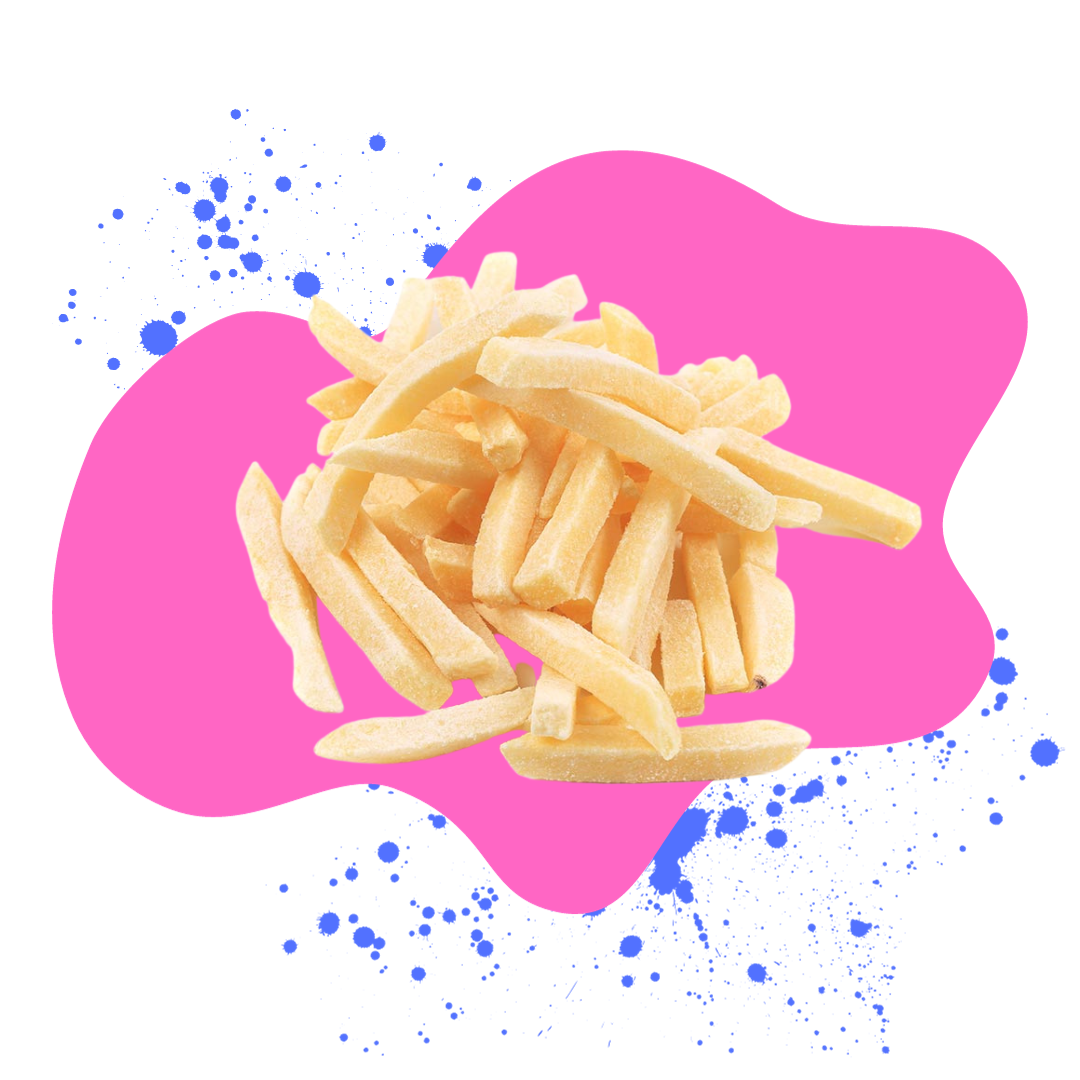
My beloved oven chips, which I still always have in the freezer (Lidl’s Crispy French Fries, always) are, admittedly, as far away from their natural state as they could possibly be. They make me wonder with wide eyes, as the most simple of freezer-to-oven foods, how a potato could be tweaked to this level. Do you know why they are so good? They’re often tossed in flour and seasonings before they undergo their first flash of cooking in the factory—once mixed with the oil sprayed on them through the cooking tunnel, that’s pretty much a batter, isn’t it? Lovely crispy battered chips. Ideal with beans. Even though I know they aren’t good for me, that’s not always the point of my food. I still see oven chips as a sort of freedom. Some days I don’t want the burden of choice, I don’t have the energy or vitality of mind to grab an onion and a carrot and see what wonders come to be in the sizzle of a pan. I just want to eat, to be comforted. Bread and butter, oven chips, comfy sofa. Sometimes that’s all I need.