Do you know the difference?
This is the final instalment of my PROCESS series of essays about processed food. Thank you so much for reading and for subscribing to this newsletter. There will be no paid-only posts for the foreseeable future after this week, so if you would like to cancel your paid subscription once you’re finished reading these pieces, please do so! No hard feelings, I promise. Thanks again, Katie.
The processed food we eat today was invented for convenience. Rather than equalise the home workload among the whole family once women entered the workforce post-war, food was created to make cooking a more efficient process for them. Products were marketed towards women, who were told these processed foods and ready meals would make their lives easier. I don’t doubt that Angel Delight makes a super-rapid and delicious dessert, but I also don’t see why more of the family unit pitching in to make their own meals wasn’t as widely promoted. Can men not cook? Of course they can—as we know, they are some of the world’s top chefs. For some reason, processed foods were seen as the main and often the only option for the busy, working mother trying to have it all. God forbid someone else boil some water and peel some spuds.
The content below was originally paywalled.
Over time, consumer knowledge about what goes into our food has risen like a beautiful loaf of Warburton’s Toasty. Unfortunately, along with facts about the actual nutritional content of the food we buy, we have unwittingly absorbed bad science and outright lies about processed food too, fed to us by a plethora of spokespeople, from TV dieticians to online nutritionists. It gets confusing. Isn’t all processed food a little bit bad for you?
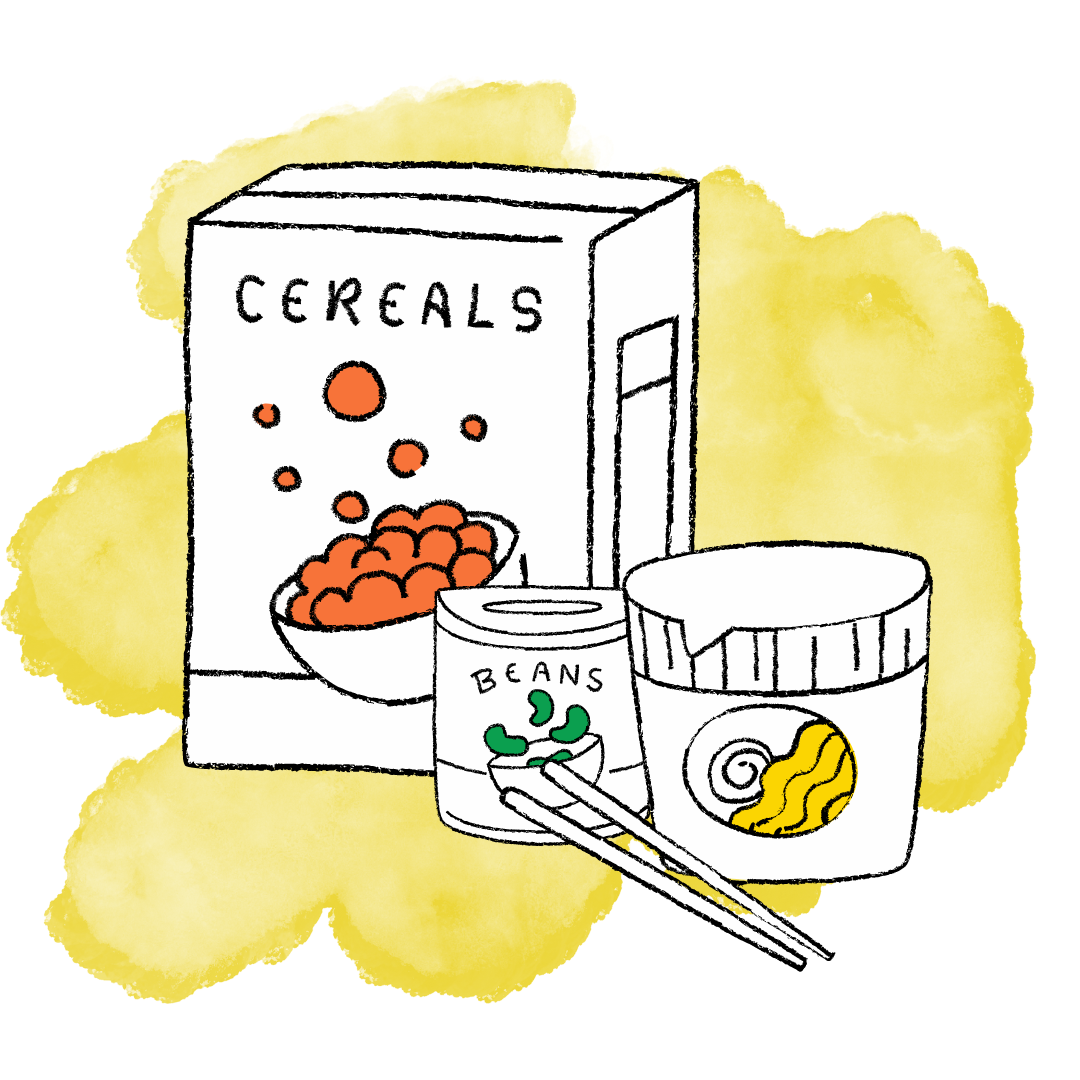
The NHS website has a page dedicated to providing information about eating processed foods, helpfully describing which foods are technically classed as processed foods. They include:
breakfast cereals
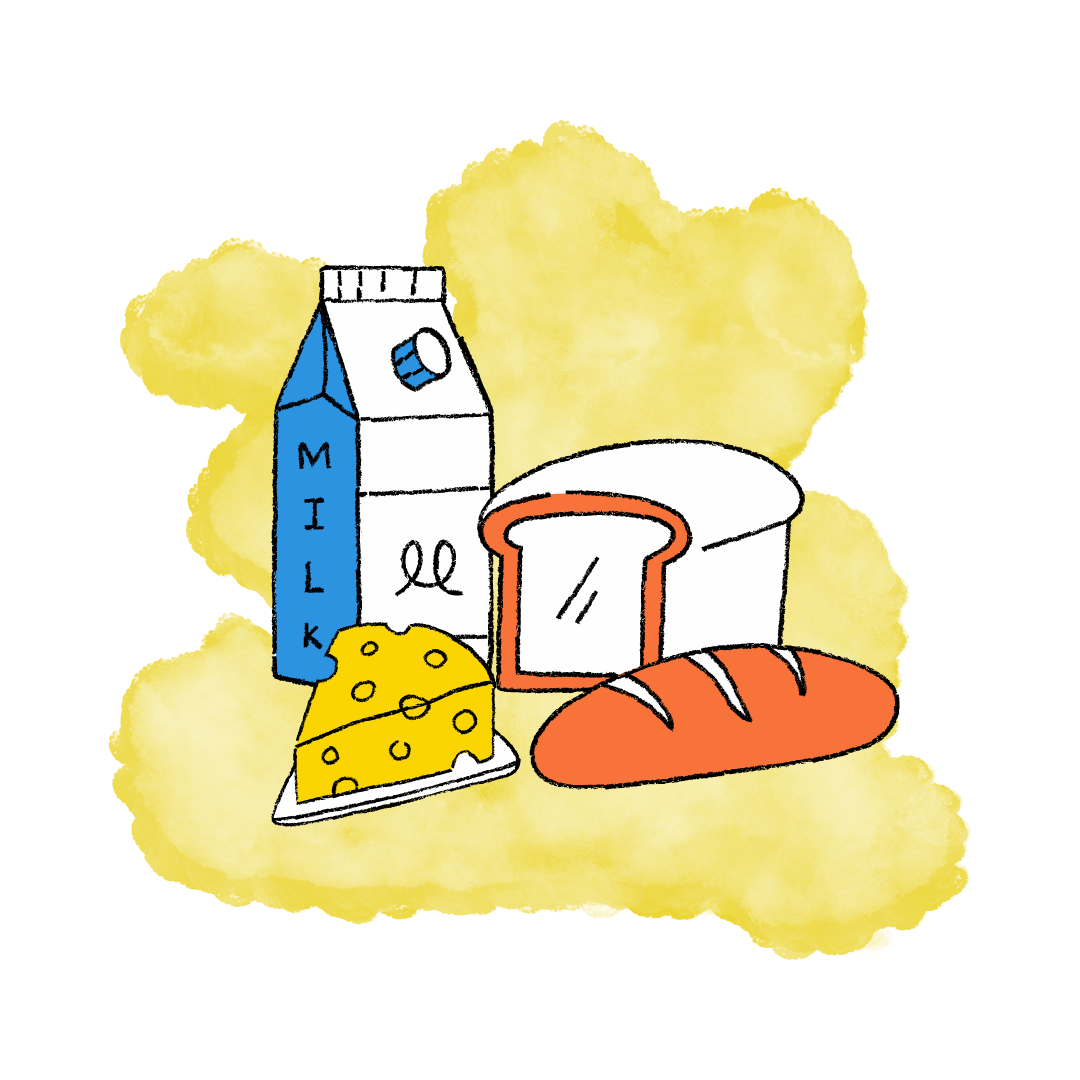
cheese
tinned vegetables
bread
savoury snacks, such as crisps, sausage rolls, pies and pasties
meat products, such as bacon, sausage, ham, salami and paté
microwave meals or ready meals
cakes and biscuits
drinks, such as milk or soft drinks
As you can see, a huge proportion of our diet here in the UK is made up of processed foods, including some that are seen as “natural” or “pure”—produce like cheese, milk, and bread, for example. So why has it become a term that denotes food that is “bad” or of a lesser nutritional content?
If you were asking for my opinion, I’d say it was because we’ve been encouraged to see processed foods as the food of the poor. Decades of food programmes offering aspirational recipes featuring grass-fed beef and market-haggled root veg has made us make the distinction between good, honest food, and lazy, slovenly food. Who hasn’t sat with their tea on their knee watching River Cottage, feeling like absolute shit that you didn’t manage to get down the market for a freshly shot rabbit to make tikka masala with instead of your mass-produced Aldi chicken breasts? If I had a penny for every time Hugh Fearnley-Whittingstall made me revert to feeling like the poorest kid in school again, I’d be able to buy his whole fucking pile.
Slowly, however, there has been a change in the types of processed foods brought onto the market. Shoppers see original pre-packaged foods like tins of sausage and beans or Pot Noodles as a little bit rough and ready, a bit unhealthy. For years there have been campaigns about our health and wellbeing dedicated to the amount of salt, fat, and calories we eat, and processed foods are the foods that come under fire the most. So what did food companies and entrepreneurs do? Make their products appear healthier, of course. There has been an explosion of highly-processed foods seen as the future of food rather than the scourge of our diets and kitchens—products like vegan meat alternatives, plant milks, nut butters and cheeses, Huel, lab-grown meat, nootropic mushroom coffee, powdered greens, and pulse pastas. These foods are filling major gaps in our nutrition as a nation, adding flavour and variety to dishes where until very recently, there may well have been none. Imagine being a GF vegan allergic to nuts and then time-travelling to the 1980s. You would starve. What I’m saying is that none of these processed foods appear to us as being overtly unhealthy, despite being just as processed as their pals the Cup A Soup and the Babybel.
You can’t really make some foods healthier, no matter how many incremental changes to salt and fat content you make. Cheese is made of fat, whether it’s dairy or vegan. That’s where the magic of marketing copywriting comes in—a sector I’ve worked in for almost 14 years. Talk about the countryside, about happy animals or fresh ingredients, and you’re on your way to making an “unhealthy” product sound virtuous. (I write “unhealthy” in inverted commas because cheese obviously has calcium, protein, and numerous other good things in it as well as fat.)
This goes for all foods. The word “natural” can cover a multitude of sins. Calling your smoothie company “Innocent” can give you the ability to put 30% more sugar in your drinks that Coca Cola, and then sell 90% of your business to them. If you ever doubted the power of advertising’s hold on you, ask yourself why you chose one type of butter over another. I get Isle of Man Creamery because the label makes me think of the island’s beautiful, rolling countryside—even though it’s made in a factory on an industrial estate in Douglas. The cows eating Manx grass don’t make the butter any healthier than Lurpak or Kerrygold. It’s still processed.
Which brings me to my final thought nicely, I think. Does it really matter? Are you eating a balanced diet? Are you enjoying your meals? Are you getting what you need from the food you eat? Did you know that if you took off to the woods and lived off hunting rabbits, you actually wouldn’t digest enough nutrients to survive—it’s called Rabbit Starvation or protein poisoning?
Processed foods are not your enemy. I try to eat as many vegetables as I possibly can, and I’m a big fan of grains and pulses, but that doesn’t mean I won’t eat croissants, or hot dogs, or put hot sauce on things. Life is too short to worry about whether Spam will kill you. And remember, if you’re being told something authoritatively about nutrition without basis, someone is trying to sell you something.