A story about the people you get attached to at the pub.
On a Sunday, the New Inn is a comfortable place. The anxious pre-weekend drinking of Friday is gone, the busy Saturday night rush has long evaporated. Step into the pub at 4pm and it’ll be quiet except perhaps for the local Irish and Folk band playing in the back room—everyone else is at home cooking, eating, or digesting a roast dinner. Visit at 6pm and it’s a little busier. By 8.30pm, Sunday night really gets going.
I’m privileged to call myself a local here. I’m not really, I never will be. I moved to Clitheroe in 2012. Even so, I’ve been bestowed with the unspoken right to sit in the Front Room, the one on the left as you walk in, with its own side of the bar and the fire that’s most likely to be lit. I love walking into this room on a Sunday evening. Everyone I know from the pub is here, people I never normally see. Whether I’m sat with Tom for a quiet pint, or I’m with friends playing the limerick game (go round the table clockwise, everyone has to make up a line of the poem—try it, it gets super competitive and fucking hilarious) there will be folk popping up everywhere to say hello to.
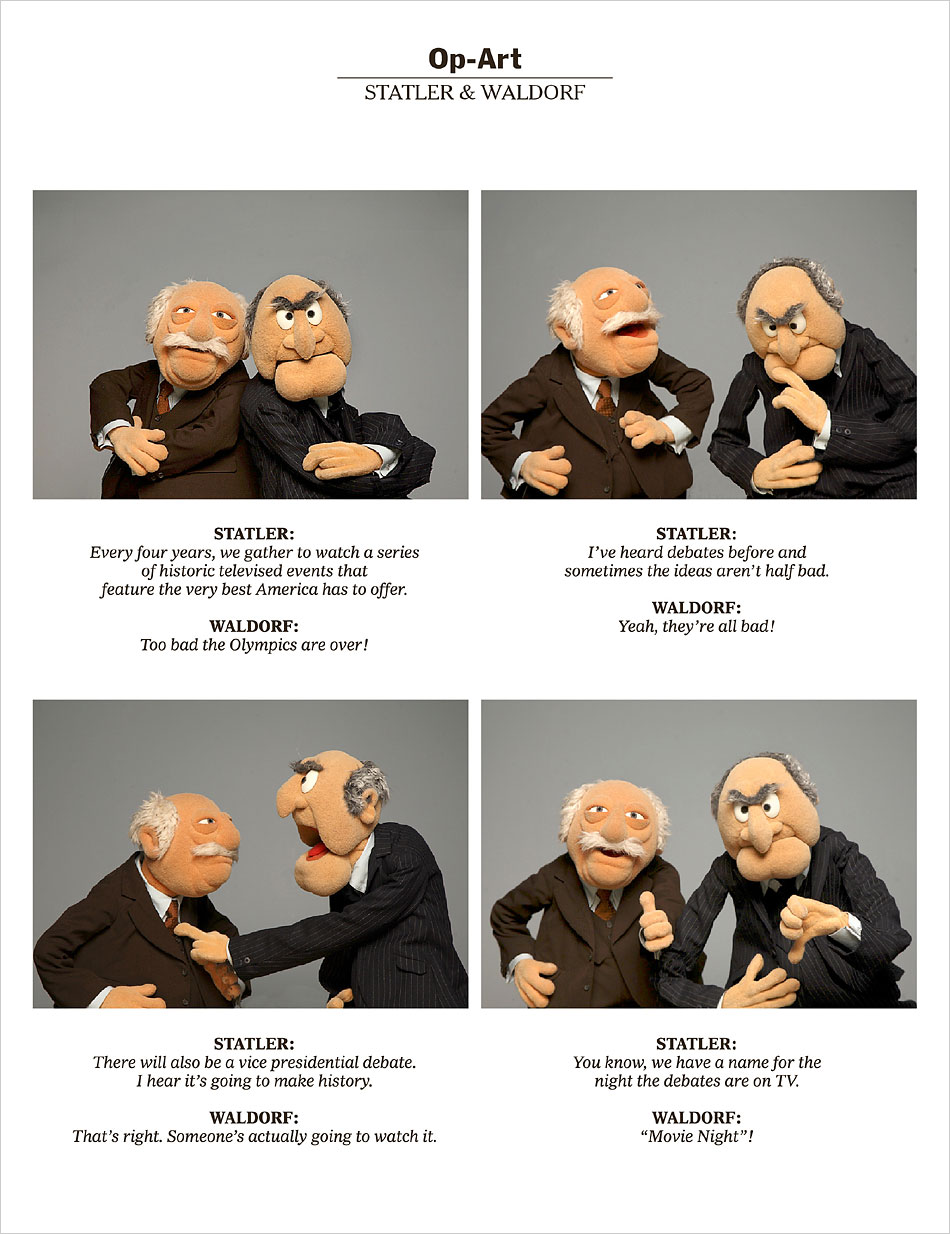
My two favourite pub friends are always in on a Sunday. These days I don’t tend to go as late, so I’ve missed them. I’ve decided to make the effort to go in so we can catch up. I asked them if they’d like me to use pseudonyms for them. “Those blokes off the Muppets,” they said. So that’s what we’ll call them. Statler and Waldorf.
Statler and Waldorf, contrary to their opinions of themselves, are two of the friendliest blokes in the whole pub. They join in with our stupid debates. They shared genuine compassion and sympathy when our bar closed down, and they always ask after what we’re doing and how we are. The other week they saw me with a friend’s baby and got the shock of their lives—it was as though they were grandparents again for a moment. Their huge smiles and classic pub humour (sarcasm, dry comments) are exactly my cup of tea. I love to see them, and I’m going to make more of an effort to drink, not with them, but amicably across the room from them. Just how they like it.
An house is for sale in Castletown on the Isle of Man. It’s an elliptical mansion with a Neolithic stone circle on its land, designed by the horologist inventor of the safety switch inside your kettle. The listing is incredibly interesting. His personal website is an even more interesting read. I particularly like his facts and quotes on each page.
Join myself, Matthew Curtis and many other beer folks to celebrate the Pellicle 5th Birthday Party in Manchester on Saturday 11 May. It’s taking place between Sureshot, Cloudwater, Track and Balance breweries. FOUR VENUES! Who the bloody hell do we think we are?
The bar on board the Manxman, the Isle of Man Steam Packet Company’s brand new ferry, is a step beyond necessary in the most admirable way. It is a glacé cherry on a double fudge brownie cupcake. It is pink lemonade.
The bar on board the Manxman is the smartest flagship bank branch waiting room you’ve ever seen. Its textured plastic walls ripple with soft uplighting in a tasteful fashion. There is no music.
Katie Mather’s The Gulp is a reader-supported publication. To receive new posts and support my work, consider becoming a free or paid subscriber.
The bar on board the Manxman serves local beer, and Guinness too. As long as you have it in a plastic cup. There are two sizes to choose from, half or pint. Your wine will come in a half.
The view from the bar on board the Manxman is panoramic—floor-to-ceiling glass looks out over Merseyside, then the Irish Sea, then Douglas. From here you can see the gas rigs and wind turbines of the alluring Morecambe South Gas Field.
The bar on board the Manxman truly believes you are on a cruise. It gestures to the bar stools around a mood-lit console table, and wonders why you are not wearing a cocktail dress. The seating is a realistic shade of leather. Take in the atmosphere, make yourself comfortable. Prepare to disembark in an hour or two.
10 more BrewDog employees have signed the open letter to BrewDog to demand recompense and acknowledgement over the damning issues within the BrewDog Waterloo pub—some of which are illegal, dangerous, and honestly, psychotic. Who gives inedible food to a homeless person to get them to clean up? Gross. Don’t drink BrewDog.
I am a (very tenuous) member of Team Kibosh, a motorcycle racing team who focus mainly on the Isle of Man TT. My friend and rider Shaun Anderson, who is racing for Team Kibosh again this year, was interviewed for the official TT podcast this week, where he was called “The fastest rider you’ve never heard of.” Which is pretty fucking cool.
The Pellicle merch machine has roared into action! Get your hands on our Black Beer t-shirt, which looks very similar to a band shirt I’ve been told, but I can’t see it personally.
Unlike gold pineapples and moustaches on t-shirts, White Rat is still great.
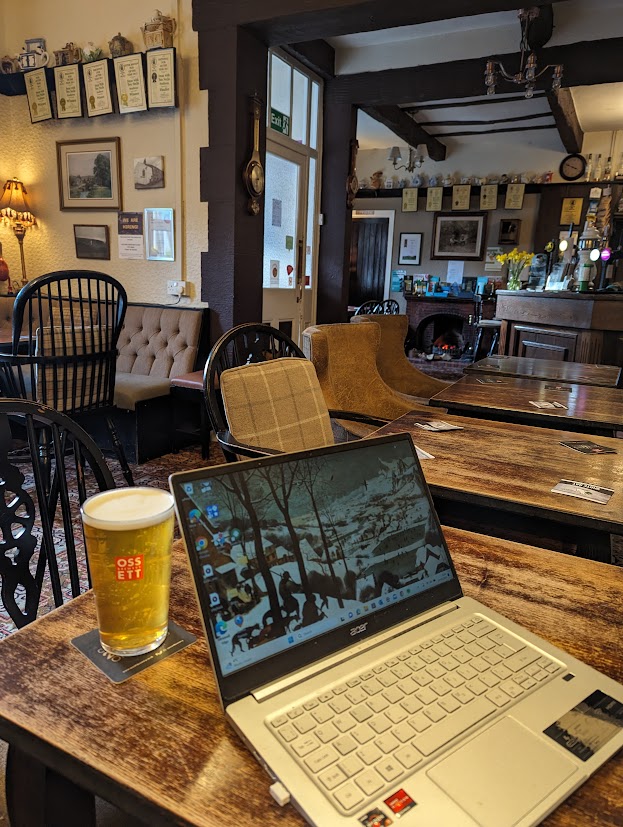
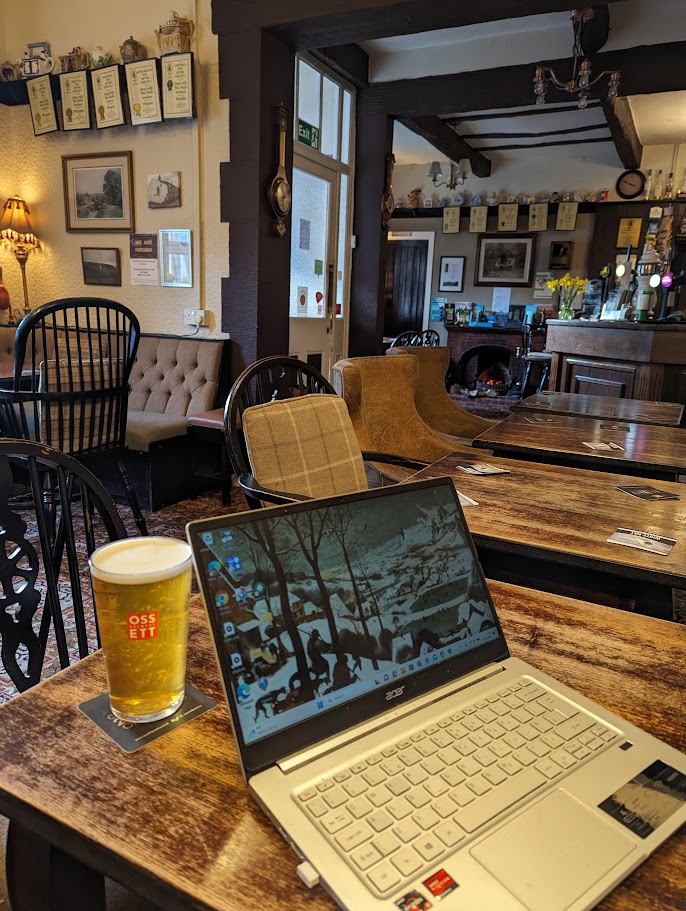
I sit in the farthest corner of The Swan With Two Necks in Pendleton, warming my chilly legs by the coal fire. During quiet times, which I’ve learned are mid-afternoon on Wednesday and Thursday, Christine lets me use my laptop to get some work done (normally a bit of a faux-pas) and the modernity of the screen and backlit keys look bizarre against the antique teapot collection and the classic pub carpet.
The pint in my hand is an Ossett Brewery White Rat. This pub always has it on, and perhaps it’s for that reason I forgot all about it for a little while. Like a photo in a frame of someone you love, it became a cherished ornament rather than something I paid clear attention to. What a foolish thing to do.
A good pint of White Rat is fresh, so fresh. It has the nostalgic joy of drinking juicy, grapefruit-pith-bitter IPAs when they were exciting. Its lemony, tangerine aroma sends a little shiver of happiness down my spine. I drink White Rat and I remember how good beer can be when it’s well made. Simple, but ideal. First brewed in September 2011, around about the time chevrons and HD brows were taking the world by storm, White Rat began its life as Lab Rat, a test brew and the first beer brewed at the Rat Brewery in Huddersfield.
Originally the beer was brewed with Cascade and Amarillo, “…and a smidgen of Admiral for bitterness,” head brewer Paul Spencer tells me. Unfortunately in 2012 the bitterness boom saw Amarillo becoming something of a rare commodity, so Paul changed the recipe to share the load between Amarillo and Columbus. The recipe remains the same to this very day. That’s 12 years of perfection.
“I feel like it nods towards classic American pales with its bitterness,” says Paul.
“At the time, I was heavily into bitter, hoppy American pales and was probably drinking stuff like Oakham Bishop’s Farewell and Hawkshead Windermere Pale. White Rat was definitely a tribute to those sort of beers.”
I love it, as you can probably tell. It feels modern to me, but being 12 years old in its current form, it really isn’t. I suppose just like Koi No Yokan feels like a new Deftones album to me, my age has a lot to do with this warping of time. Drinking it in the setting of The Swan With Two Necks is a sort-of delightful culture shock, surrounded by Edwardian trinkets and classic pub décor, understanding that a very punchy pale ale in the key of Sierra Nevada is now as comfortable in this setting as a bitter. And White Rat has done that.
Other Stuff
Remember the mead maker who was making Mountain Dew wine? It is done.
A truly excellent and fascinating feature about “meatheads”, steak fans on an infinite journey to find a new, more tasty cut of beef by Louis Ashworth for the FT. If you love learning about microsubcultures, this is for you.
This week my story about grief and picking apples at Nightingale Cider was published on Pellicle. I was very unsure about revealing so much of myself throughout the writing of this piece, and this week has been difficult since its publication—a lot of emotions resurfaced. I’m so, so proud of it though, and I’d really love you to read it. The title comes from the poem Apples, by Laurie Lee. Here’s the last stanza:
I, with as easy hunger, take entire my season’s dole; welcome the ripe, the sweet, the sour, the hollow and the whole.
If you are at the International Brewing and Cider Festival in Manchester this weekend, come and say hello to me. I will be helping man the Nightingale Cider stand.
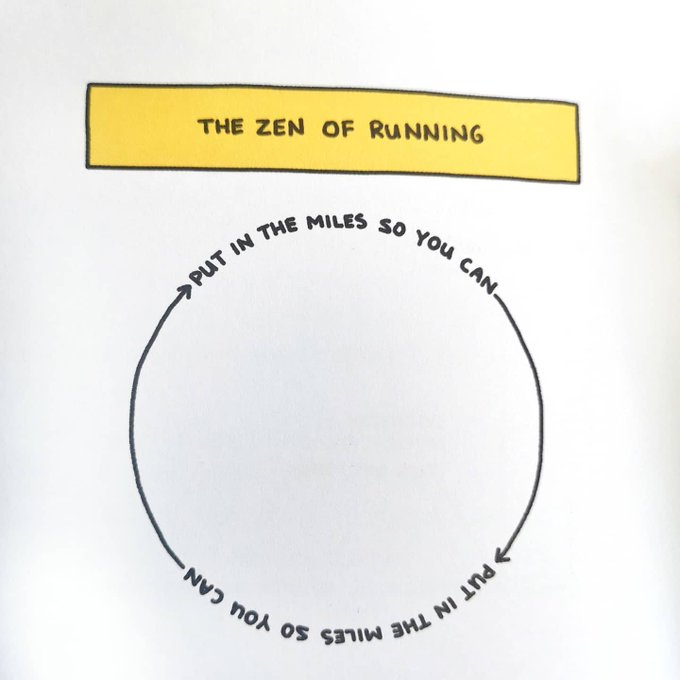
“It’s like walking, only better, because it’s faster,” is how I explain why I enjoy running to people who don’t. Extremely erudite of me. To tell them I don’t know how to explain it is wrong—I have all the words in my chest stored up, ready to burst into clouds of excited chatter. But I know they don’t really want my ten minute monologue. It’s a statement. I don’t know why you do it. It means: God it sounds awful.
There is so much emotional baggage wrapped up in my enjoyment of running that to separate it, to exploit it simply as a form of exercise, would be totally meaningless to me. I don’t just run to get fit, or to get my steps in—I run to see things. I run to feel the sky on me.
Katie Mather’s The Gulp is a reader-supported publication. To receive new posts and support my work, consider becoming a free or paid subscriber.
The best run of my life so far was around Derwentwater in Keswick. It was a beautiful early December day, it was quiet, and I could take all the time I wanted. I laughed and jumped around that lake, in disbelief at the scenery that I had all to myself, running freely through the best bits of the Lake District. That’s what I mean by “it’s like walking, but faster.” The scenery changes a little more readily, my endorphins cranked up to the max. Light on water becomes magical, crows circling lazily in the sky above gather meaning.
It isn’t easy, and I don’t manage all of my goals. Between injuries and illness, I’ve not managed to run a race since 2021. When I go out my ankles complain and my face gets red. I’m not an attractive runner, I don’t step lightly on the tarmac, ponytail swinging. But I get there, and that’s the main point of it all—to get there, the places I want to be.
Each run becomes a personal triumph. The day matters. The haze clears. I never get bored of my usual run through the lanes. I am in love with a certain dip in the road where an old woodland congregates either side of a humpback bridge. I feel Pendle behind me and watch as its western flanks follow my course. I spot siskins and chiff chaffs, and robins eye me suspiciously from inside hawthorn hedges. The first blossom is out now, white and frothy high up on tall Serviceberry trees. I pretend, after the first mile, that I’m nowhere near home, that I’m in the middle of the countryside and I’m just running, and running, for no reason, just for the joy of it. This is my lane, and I feel like I can tell it’s happy I’m back.
Other Stuff
What is Great Taste? A great piece by Max Fletcher on whether the Great Taste Awards achieve anything, what they do for consumers and producers, and what exactly “great taste” is.
Please become a paid subscriber to Pellicle’s Patreon! Every penny you put forward pays writers, illustrators and photographers for their work, and helps us keep Pellicle running. www.patreon.com/pelliclemag
Thank you for reading Katie Mather’s The Gulp. This post is public so feel free to share it.
As much as I’d like to think I’m a reader, the truth is I only read when I’m out of the house. I never curl up on the sofa with a good book. I only ever find the time when there’s no interference from my beloved TV, a screen that gives me all the comfort I need in the form of repeated sitcoms and police procedurals that make me feel like a genius. When I’m at home and not working, I’m exhausted, so I can’t read, and I obviously can’t read when I’m working, so that essential reading time (and it is essential to read if you’re a writer, no ifs or buts ((haha butts))) has to be carved out. I need to make space for it, and that means going out and pretending to myself that it’s part of my schedule so that I don’t get wise to my own skiving.
Katie Mather’s The Gulp is a reader-supported publication. To receive new posts and support my work, consider becoming a free or paid subscriber.
The places I most like to read are on the train, in the park when it’s sunny, and the pub. Which pub I choose matters. I can’t go in my local on a Friday afternoon, for example. It’s hard to pay attention to your book when people are knocking off work early and there’s smoking hot gossip hanging in the air.
I’ve been trying to plan a short pubs-and-pushbikes break for myself over the summer where I can also get a little reading and scribbling done, and honestly, it’s become a fixation. No matter where I look I can never be sure what I want. Comfy seats? Not old enough. Rural and quaint? Too isolated. What am I looking for? Does the ideal writers’ pub actually exist? I’ve been zooming in and out of Google Maps all week trying to find a place that strikes the balances I require—most of which are incredibly hypocritical.
Being back on X, I asked where I should go, and to my huge surprise, people understood immediately. Usually when I used to ask about pubs people would send lists of tap rooms and breweries, showing what they knew but not that they understood what I was looking for. This time I ended up with a wealth of amazing recommendations for places that I would never have thought of visiting. If you want to use the list for your own holiday planning, please, be my guest.
What has this experience taught me? Well, firstly it shows quite clearly that I need to get out more. I’m stuck in a loop of expectations based on what I’m used to, and this insular thinking has unintentionally left me stuck in my ways and reluctant to travel. In other words, I’m becoming a hermit. The second revelation was that in the right circumstances, the internet can still be a useful conduit for conversation and research. I asked a question, people with genuine passion told me all about their favourite pubs and walks, which I can now go and do myself. Total strangers are helping me plan a trip that I’ll remember forever. Wholesome.
Other Stuff
Mat Oxley on refusing to write what the PRs want, and the problems he has to face as a journalist when publishing work about big names in MotoGP. Even if you’re not a motorcycle fan, I recommend this read. As an editor I particularly liked this part: “If an editor says he or she wants 500 words, you write 500 words, not 499 or 501. Magazine writing has to be tight, with quotes edited for clarity and brevity. I’ve been doing this for more than forty years, so I think I have the general idea.”
It’s something I go on about a lot, but here’s a slightly different perspective: who loses out when a mall McDonalds’ closes down? Written by Karon Liu for the Toronto Star, but super relevant. If you have to, do a tiny bit of imaginative reading (ie. change the word mall to shopping centre in your head)
Last week I had a lovely few pints with friends (which, as we all know from X discourse this week, is the ultimate sign of addiction and dependency) and something came up, like it always does. I found it difficult—impossible even—to explain what I was up to at work.
It used to be that I could rhyme off marketing campaigns and talk about weird and hilarious things that had happened on a company social media account that week, or about how a middle manager had pissed me off, or how I was looking for a promotion elsewhere at a different company. But now… I’m too literal. I say I’ve been typing. I say I’ve been sat in the house most days, “doing my writing”. I talk about how many articles I’ve written, but I don’t often, or ever say what I was writing, or what I’ve been researching, or what I’ve planned for my upcoming months of “sitting at my desk.”
Tom prompts me to talk about who I’ve spoken to in interviews, and what exactly I’ve been writing about. He remembers what I’ve had published recently, and he encourages me to elaborate. “But it wasn’t just a few emails was it? You were sending out book proposals.” I appreciate it, but I find it excruciating. I don’t know why.
A friend asked me about creative work, and how it differs from “regular work” and it was a super interesting conversation to have. I often feel like my brain is on fire after a good afternoon of writing, and that’s just part of the deal—I get a few hours of inspiration and focus, and then I have to lie down on the sofa and play my stupid colour matching game on my phone and watch Bones until I come back to earth again. I never felt this level of mental exhaustion at a “regular” job. I asked my friend how he felt after a day at work, his job being strenuous and mentally taxing in its own way, and he just said he was tired but not overworked. He said he found working on creative things far more exhausting. I hadn’t ever thought of my job as tiring until then. It just comes as part of the gig—I’m lucky enough to be able to work from home every day, doing something I love, making enough money to get by and occasionally do other things I love.
Sorry. It’s not luck. I’m working on this, give me a sec.
I worked hard all my life to enable myself to do this job. As a kid I wrote stories on the back of pictures I drew, as a kitchen dosser I wrote essays and song lyrics on blue roll and order pads when I should have been cleaning the walls with D2 and filling in The Cleaning Folder. Writing has always been something I can’t stop doing, but as someone who compulsively describes and romanticises everything all the time, why can’t I adequately describe my working week?
I suppose it sounds like a joke compared to the standardised expectation of a week’s work. We grow up and agree to spend 40+ hours in a workspace, wherever that is—a school, a hospital, an office, a factory, a restaurant—and that’s work. I’ve somehow decided I can circumvent that, and I work, generally, from 10.30am-3pm every weekday, unless I have overcommitted myself. What gives me the right!
Yes, I think that’s it. I’m embarrassed by my perceived laziness. Years of overwork, or the common societal belief that we should work far more than we should live our lives, or both, have implanted a sense of guilt into my psyche. I work hard, enough to burn out regularly, actually, but why do I feel the need to qualify myself with this information? Why is how hard we work more validating than the quality of the work we actually produce?
I doubt I will ever be able to accurately and confidently talk about my job without audibly adding quotation marks, but in order to ask others to take my writing seriously, I must start with taking it seriously myself.
Writing is difficult when you have to write about yourself
The weird thing about stress, grief, any sort of trauma, really, is that you get over it relatively quickly in the beginning. In fact, almost as soon as you get upset, your instincts take over, and life creeps back in. For the longest time, 2023 wasn’t happening to me. I was dealing with blow after blow and just sailing on straight into the wind, but by the tail end of the year, there was nobody to fool anymore. The worst had happened, over and over again. I had tried to rebuild, without realising my vessel had broken down into just a piece of driftwood, and I was clinging to it in the middle of a vast, dark ocean. I needed to find a harbour. I needed to rest.
This week I’ve been writing a piece for Pellicle about the closure of Corto and everything that happened after that has forced me to look back at a period of time I was sure would one day break me, and you’ll be able to read it soon. At the time, everything was fine. That’s how stress works. But looking at photos taken when I was making it through the bin fire that was my life—no, the big gaping hole in the desert full of fossil fuel burning endlessly forever—I remember certain smells. The wool insulation of our van. Marlboro Lights and Guinness and Black. Rotten apples. The pink shower gel I was using. That time existed, no matter how unreal it feels to me now.
I am lucky. I have support, and people who love me. My husband Tom was going through exactly the same thing as I was. We sheltered each other. In the escape pod of our van I lay awake in the dark and wondered what my life would be like in a week, a month, a year.
Can I tell you how I knew I was going to be alright, really?
Because I wanted to know what happened next. In all the difficult situations I’ve ever found myself in before, I’ve never had the true, survivalist curiosity to just… wait and see what happens.
Hey, Katie. You’re writing in the pub with a pint of cider. You’re going to have pizza for tea. You’ve just had a great idea for a book. You’re in love. You’re alive.
Other Stuff
The Isle of Man TT is in 101 days time and I’m very excited. Between The Hedges is a great doc series about the modern race that might help you understand why I like it.
CMAT, a musical goddess, was on the Off Menu podcast being her excellent self.
Elland Brewery announced their closure this week. Neil Walker’s piece on 1872 Porter for Pellicle is the perfect read for this sad news.
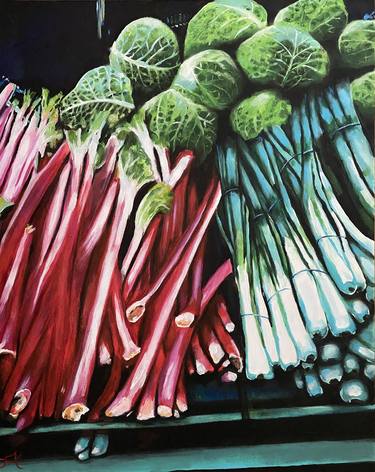
This piece was originally written for a company blog which never saw the light of day some three or four years ago. I came across it in my files the other day when I was looking for a recipe and thought it deserved an airing—particularly since EVERYONE AND THEIR MOTHER IS GOING ON ABOUT FORCED RHUBARB AT THE MOMENT. I’ve taken out all the marketing gubbins and kept the fun stuff. Hope you enjoy.
In a shadowy shed, under the light of a single candle that counts the midnight hours by the drip, drip, drip of its molten wax, there’s a creaking. The room feels eerily alive. The gentle noise continues, like a sail under gentle winds. As your eyes adjust, fronds of leaves appear in the gloom, topping tall, slender stems of crabstick pink. If the shed were underwater, your first thought—kelp—might be right. But it’s not. You’re standing in a forcing shed looking at rhubarb, and it’s 1am, and it’s not as cold in here as it is outside in the frosty fields. You clap your hands together in your thick gloves and watch over hundreds of pale stalks leaning toward the lonely flame. It feels alive in here because it is. The rhubarb is growing before your eyes, croaking and snapping its way out of the earth and up, up towards its only light source.
“Come on then, time for a brew,” says the farmer, leading you back through the way you came in. The slatted wooden door is covered on the inside with black plastic sheeting to keep the darkness in. It clatters shut behind you, leaving the rhubarb alone.
It takes three years to grow a perfect crop of forced rhubarb. Firstly, the plant is grown outdoors, cropped and then left to fend for itself in the cold. Then, in the third year, the rhubarb is transplanted from the field and plunged into the darkness of a forcing shed to encourage long pale stems and smaller leaves. Forced rhubarb has been grown in this solitary way in Yorkshire since the early 1800s. Before it was forced in fields near Wakefield, rhubarb was a valuable drug named “Rhacoma root” so prized for its effects on lung, stomach and liver problems it once commanded three times the price of Opium. It’s not a native plant to the UK, and it’s thought that while the Romans and Ancient Greeks used rhubarb in their own medicines, it wasn’t until Marco Polo brought some back from its native Siberia that it began to be cultivated in Europe.
Rhubarb thrives in the cold wet climate of Yorkshire wintertime, no doubt it reminds the plant of its home on the Volga steppe. Recognising this preference for a Baltic climate, the Whitcliffe family of Leeds took rhubarb growing to another level in 1877, which is, according to The Yorkshire Society, when commercial rhubarb growing finally moved from London to God’s Own County.
Yorkshire had a few vital things going for it in the late 1800s when it came to growing forced rhubarb. The booming wool industry provided growers with a nitrogen-rich waste product to nourish their soil with. The climate threw down plenty of rain. The massive Yorkshire coalfields provided a cheap source of fuel with which to heat the forcing sheds. E. Oldroyd and Sons, a fifth generation forced rhubarb farming family in the Yorkshire Triangle and owners of an amazing online rhubarb resource, also mention Yorkshire’s geography as a lucky reason rhubarb took off so quickly there. Trains crossed over the Yorkshire Triangle area to get to every corner of the country; it was easy to transport your forced rhubarb crops to market in London, Edinburgh or even on a boat to Paris within a day, on what became known as the Rhubarb Express. Trains packed with carriage after carriage of Yorkshire-grown rhubarb to satisfy the tart-sweet teeth of the public left the North every single day, providing fresh, delicious fruit almost year-round. It was readily-available fresh produce like nobody had ever seen before.
Where there once were 200 family growers in Yorkshire producing convoys of forced rhubarb, there are now only 12 or so, despite it being given Protected Designation of Origin status in 2020.
Shane Holland, Executive Chairman of Slow Food in the UK (SFUK) says that a major factor in the loss of rhubarb farms in the traditional Yorkshire Triangle area is to do with land — and the value of rhubarb itself.
“Rhubarb is facing extinction,” he says. “And evelopment on farmland is the main threat to the continued existence of forced rhubarb.”
There is an international catalogue of endangered heritage foods, maintained by the Slow Food movement of which Shane Holland is a chairman. In this catalogue, which is known as the “Ark of Taste”, foods which are of unique taste or provenance are protected as best they can be for future generations by promoting their cultivation, preserving biodiversity in the human food chain by actively encouraging people to grow and eat endangered foods. Forced rhubarb is one of these foods.
There’s not much protection for the Yorkshire Triangle land available either. “The land itself is only protected by green belt legislation in some areas, and there’s currently no subsidy available for foods that are part of our heritage — foods that are worth preserving for historical merit.”
After 50 years of decline, rhubarb is once again on the up. While there may not be rhubarb-packed locomotives steaming down the country every day, we’re seeing it in more and more products, many of them luxurious. It’s a flavour we all know but don’t taste often. To generations who didn’t live through wartime rations and school dinner crumbles, rhubarb has a tart, floral flavour and an aroma like rose petals, Turkish delight, raspberries and cider vinegar. It’s almost exotic, in its way. Creating a coveted product from it seems like a stroke of genius; at once both sustainable and fantastical, old-fashioned and contemporary. It’s a popular fragrance for luxury skincare products and even popped up in a designer fragrance by Commes des Garcons. This newfound interest in a home-grown ingredient gives hope that there is a future for this delicious yet endangered plant.
Shane and the rest of the Slow Food movement would love it if we could do our bit to protect forced rhubarb from extinction. Like some of the rarest delicacies in the world, this food is on the precipice of no-moreness—so close to vanishing from our markets and tables, becoming a history lesson rather than a living industry.
“We can talk about campaigning for protective status and subsidies, but what would be great is if we chose forced rhubarb for ourselves!” says Shane. “If we eat — or drink — Yorkshire rhubarb we are protecting it from obscurity, sustaining our landscape, and protecting rural jobs and communities.”
Crack open that bottle of pink gin. It’s for the future of all rhubarbkind.
Other Stuff
I’ve been keeping an eye on the Isle of Man webcams to stave off feelings of not-being-there melancholy. The weather has been atrocious.
Eoghan Walsh has written a pleasingly long list (I like lists) of all his favourite things in Brussels. I’m sure the food related entries are nothing to do with me saying he’s a fussy eater.
This is the final instalment of my PROCESS series of essays about processed food. Thank you so much for reading and for subscribing to this newsletter. There will be no paid-only posts for the foreseeable future after this week, so if you would like to cancel your paid subscription once you’re finished reading these pieces, please do so! No hard feelings, I promise. Thanks again, Katie.
The processed food we eat today was invented for convenience. Rather than equalise the home workload among the whole family once women entered the workforce post-war, food was created to make cooking a more efficient process for them. Products were marketed towards women, who were told these processed foods and ready meals would make their lives easier. I don’t doubt that Angel Delight makes a super-rapid and delicious dessert, but I also don’t see why more of the family unit pitching in to make their own meals wasn’t as widely promoted. Can men not cook? Of course they can—as we know, they are some of the world’s top chefs. For some reason, processed foods were seen as the main and often the only option for the busy, working mother trying to have it all. God forbid someone else boil some water and peel some spuds.
The content below was originally paywalled.
Over time, consumer knowledge about what goes into our food has risen like a beautiful loaf of Warburton’s Toasty. Unfortunately, along with facts about the actual nutritional content of the food we buy, we have unwittingly absorbed bad science and outright lies about processed food too, fed to us by a plethora of spokespeople, from TV dieticians to online nutritionists. It gets confusing. Isn’t all processed food a little bit bad for you?
savoury snacks, such as crisps, sausage rolls, pies and pasties
meat products, such as bacon, sausage, ham, salami and paté
microwave meals or ready meals
cakes and biscuits
drinks, such as milk or soft drinks
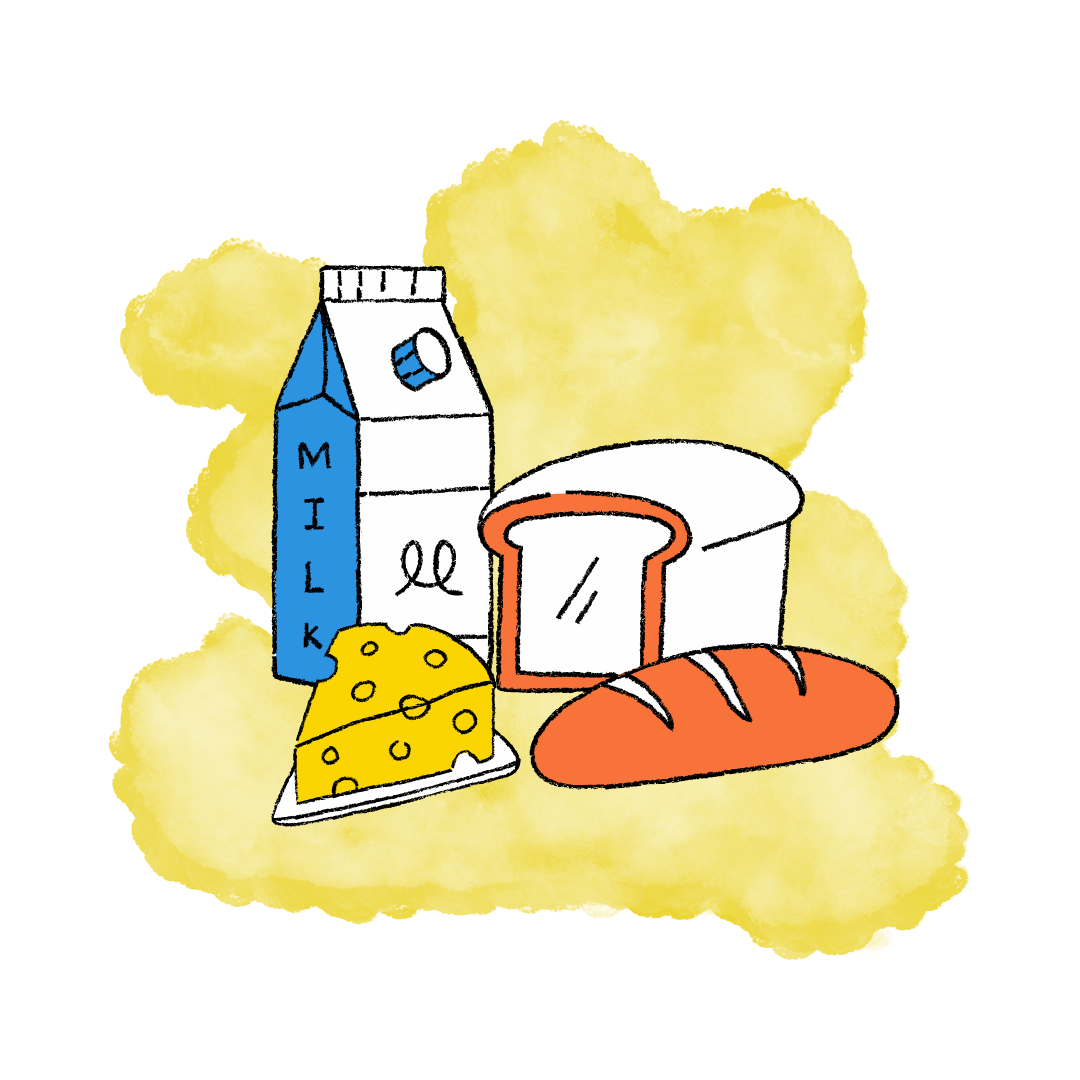
As you can see, a huge proportion of our diet here in the UK is made up of processed foods, including some that are seen as “natural” or “pure”—produce like cheese, milk, and bread, for example. So why has it become a term that denotes food that is “bad” or of a lesser nutritional content?
If you were asking for my opinion, I’d say it was because we’ve been encouraged to see processed foods as the food of the poor. Decades of food programmes offering aspirational recipes featuring grass-fed beef and market-haggled root veg has made us make the distinction between good, honest food, and lazy, slovenly food. Who hasn’t sat with their tea on their knee watching River Cottage, feeling like absolute shit that you didn’t manage to get down the market for a freshly shot rabbit to make tikka masala with instead of your mass-produced Aldi chicken breasts? If I had a penny for every time Hugh Fearnley-Whittingstall made me revert to feeling like the poorest kid in school again, I’d be able to buy his whole fucking pile.
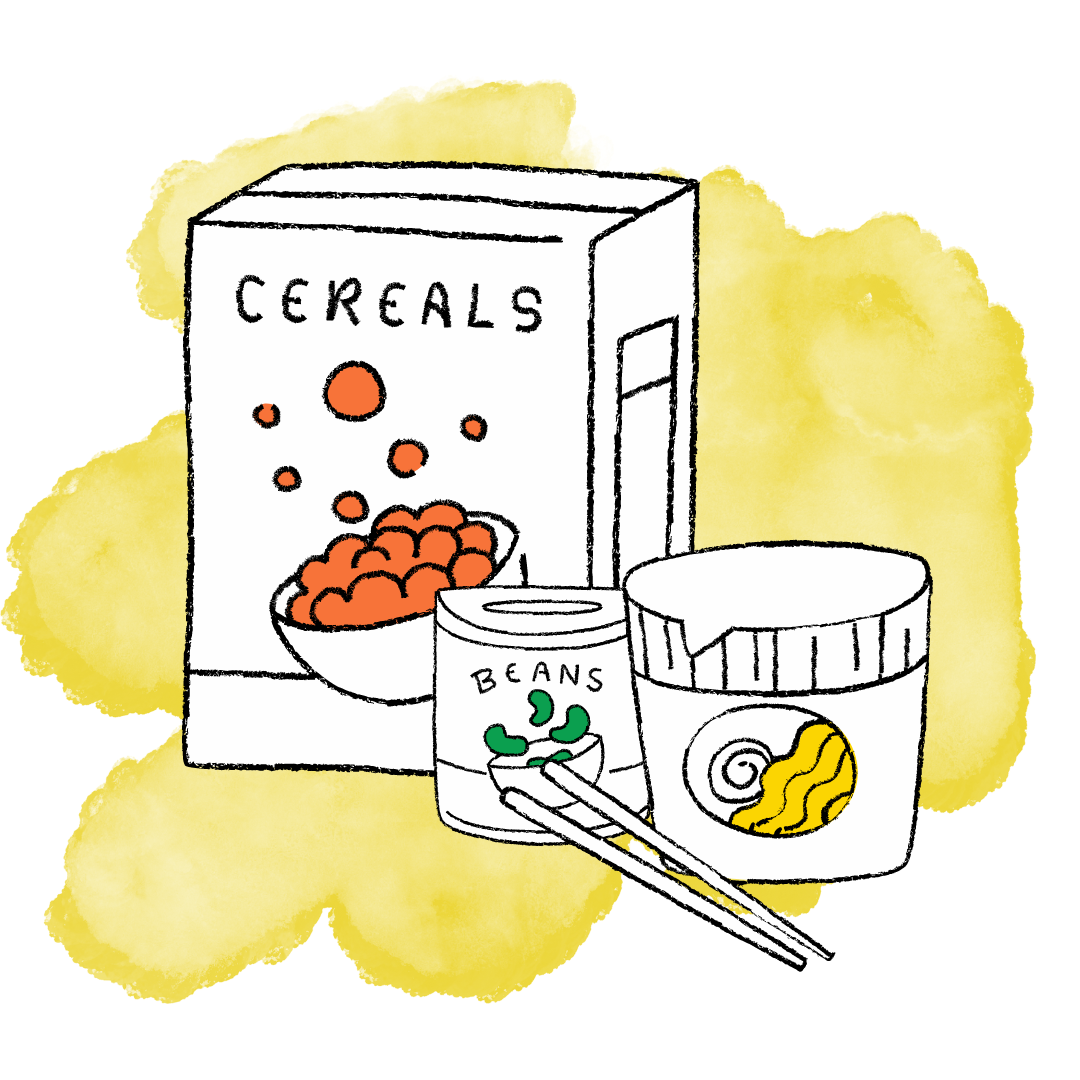
Slowly, however, there has been a change in the types of processed foods brought onto the market. Shoppers see original pre-packaged foods like tins of sausage and beans or Pot Noodles as a little bit rough and ready, a bit unhealthy. For years there have been campaigns about our health and wellbeing dedicated to the amount of salt, fat, and calories we eat, and processed foods are the foods that come under fire the most. So what did food companies and entrepreneurs do? Make their products appear healthier, of course. There has been an explosion of highly-processed foods seen as the future of food rather than the scourge of our diets and kitchens—products like vegan meat alternatives, plant milks, nut butters and cheeses, Huel, lab-grown meat, nootropic mushroom coffee, powdered greens, and pulse pastas. These foods are filling major gaps in our nutrition as a nation, adding flavour and variety to dishes where until very recently, there may well have been none. Imagine being a GF vegan allergic to nuts and then time-travelling to the 1980s. You would starve. What I’m saying is that none of these processed foods appear to us as being overtly unhealthy, despite being just as processed as their pals the Cup A Soup and the Babybel.
You can’t really make some foods healthier, no matter how many incremental changes to salt and fat content you make. Cheese is made of fat, whether it’s dairy or vegan. That’s where the magic of marketing copywriting comes in—a sector I’ve worked in for almost 14 years. Talk about the countryside, about happy animals or fresh ingredients, and you’re on your way to making an “unhealthy” product sound virtuous. (I write “unhealthy” in inverted commas because cheese obviously has calcium, protein, and numerous other good things in it as well as fat.)
This goes for all foods. The word “natural” can cover a multitude of sins. Calling your smoothie company “Innocent” can give you the ability to put 30% more sugar in your drinks that Coca Cola, and then sell 90% of your business to them. If you ever doubted the power of advertising’s hold on you, ask yourself why you chose one type of butter over another. I get Isle of Man Creamery because the label makes me think of the island’s beautiful, rolling countryside—even though it’s made in a factory on an industrial estate in Douglas. The cows eating Manx grass don’t make the butter any healthier than Lurpak or Kerrygold. It’s still processed.
Which brings me to my final thought nicely, I think. Does it really matter? Are you eating a balanced diet? Are you enjoying your meals? Are you getting what you need from the food you eat? Did you know that if you took off to the woods and lived off hunting rabbits, you actually wouldn’t digest enough nutrients to survive—it’s called Rabbit Starvation or protein poisoning?
Processed foods are not your enemy. I try to eat as many vegetables as I possibly can, and I’m a big fan of grains and pulses, but that doesn’t mean I won’t eat croissants, or hot dogs, or put hot sauce on things. Life is too short to worry about whether Spam will kill you. And remember, if you’re being told something authoritatively about nutrition without basis, someone is trying to sell you something.
This is an excerpt from a piece originally published in Ferment magazine in 2020, ostensibly about the “problem” of getting hospitality workers back to work during the Covid-19 pandemic—and the consideration of replacing human workers with automated services and even robots. Somehow, it is still relevant.
The hospitality industry in the UK might not be under the intense pressure of adhering to lockdown legislation anymore, but there are different, more difficult pressures to handle now. Closures are rife. Businesses just can’t stay open. I’ve had my say on this subject many times, but what I feel is forgotten (or avoided) in much discussion about the destruction and wilful, weaponised desertion of the industry by the Government is how with each closed restaurant, bar, pub, butty shop, or food truck goes the prospect of jobs available to those who need them. I’m not talking about long-term hospitality professionals. I’m talking about folks looking to supplement their income with a shift here and there. People who need work quickly in-between jobs. Hospitality has always been the go-to industry for these sorts of jobs—the jobs that keep those of us on a low-income going. We’re not just losing somewhere to relax after a hard day’s work. We’re losing the work, too.
That’s why I’ve chosen to publish this piece here it as it is, with no amends. I want to underline how nothing has changed. The hospitality industry has been struggling with the same issues for years.
Robot Waiters
In my varied career I’ve been a potwash, a kitchen assistant (microwave cook), bar staff for various pubs including an infamous national chain and a local indie, and a waitress and server at a chip shop. The chip shop in particular holds deep memories for me. In debt and about to lose my room in a city I’d moved to three months earlier before having all of my life plans fall through, I walked in and begged for a job. They gave me one. Is working in a chip shop a dream role for a 23 year old journalism graduate? You forget that stuff when you need the money. Nobody is above a weekly paycheck. Journalism paid me nothing at that time, fish and chips kept me in rent and food. The team were fun to be around. The customers were, on the whole, pretty respectful. Which was the better career?
Part-time jobs in the food and drink sector are widely seen as an unofficial economic safety net. They’re there if you need a job, any job, fast — but due to the number of roles shrinking across the board, the image of handing an a4 CV across a bar and being thrown an apron in return is a fallacy. Didn’t I just tell you it happened to me? Yes. But that was nine years ago. The expectation remains, however, that if there’s nothing else, there’s barwork, there’s waiting tables. A minimum wage chipshop job might have worked for me at that time. It is not, and nor should it ever be considered to be, an effective replacement for a society that’s actually fit for purpose.
If you do a quick Google search right now to find out how to become more employable, you’ll find blog post after blog post listing the ways you could bag yourself a bar job, collect a ton of valuable skills and then slink off into the “real job” world. You will be hard pushed to find much mention of how those bar jobs can be fulfilling careers in themselves. You are much more likely to find subheadings like “how to make waiting tables sound good on a CV” than any information on how to work your way up to Maitre D’.
In a piece for her newsletter, food writer Alicia Kennedy said: “The flexibility of food service work gives it its pirate-like reputation, which results in both freedom and exploitation, low wages and the ecstasy of earned exhaustion.”
I feel like this can be extended to describe the long hours and antisocial nature of bar work. Do bar staff enjoy their work? I can’t speak for everyone, but I do. But can it also be the worst? Absolutely. And does it pay well? Hahahaha. Alicia Kennedy’s ironic contemplation of the “ecstacy” of hard work makes me laugh a bitter laugh. Because while we’re told that earning our rent with our sweat and smiles feels satisfying, when your wages are falling and your future is insecure, and people are openly considering whether your knowledge, enthusiasm and heart-beatingly-human body could be swapped out with a Roomba that can also carry plates, it doesn’t feel like you’re tying up the mainsail with a merry band of outlaws anymore. It feels like being taken for granted.
Celeb chefs, café owners and local MPs in Manchester have made a video to share their experiences and fears about the current hospitality industry crisis
It’s my final PROCESS newsletter on Monday. Tip: Sign up to read them all over the week then cancel your pro-subscription and it’ll only cost you a couple of quid.
I’ve got rather a lot of stories on the go at the moment for Ferment, Glug, and Pellicle, so please keep an eye out.