The Week That Was The End

Building up to a big goodbye.

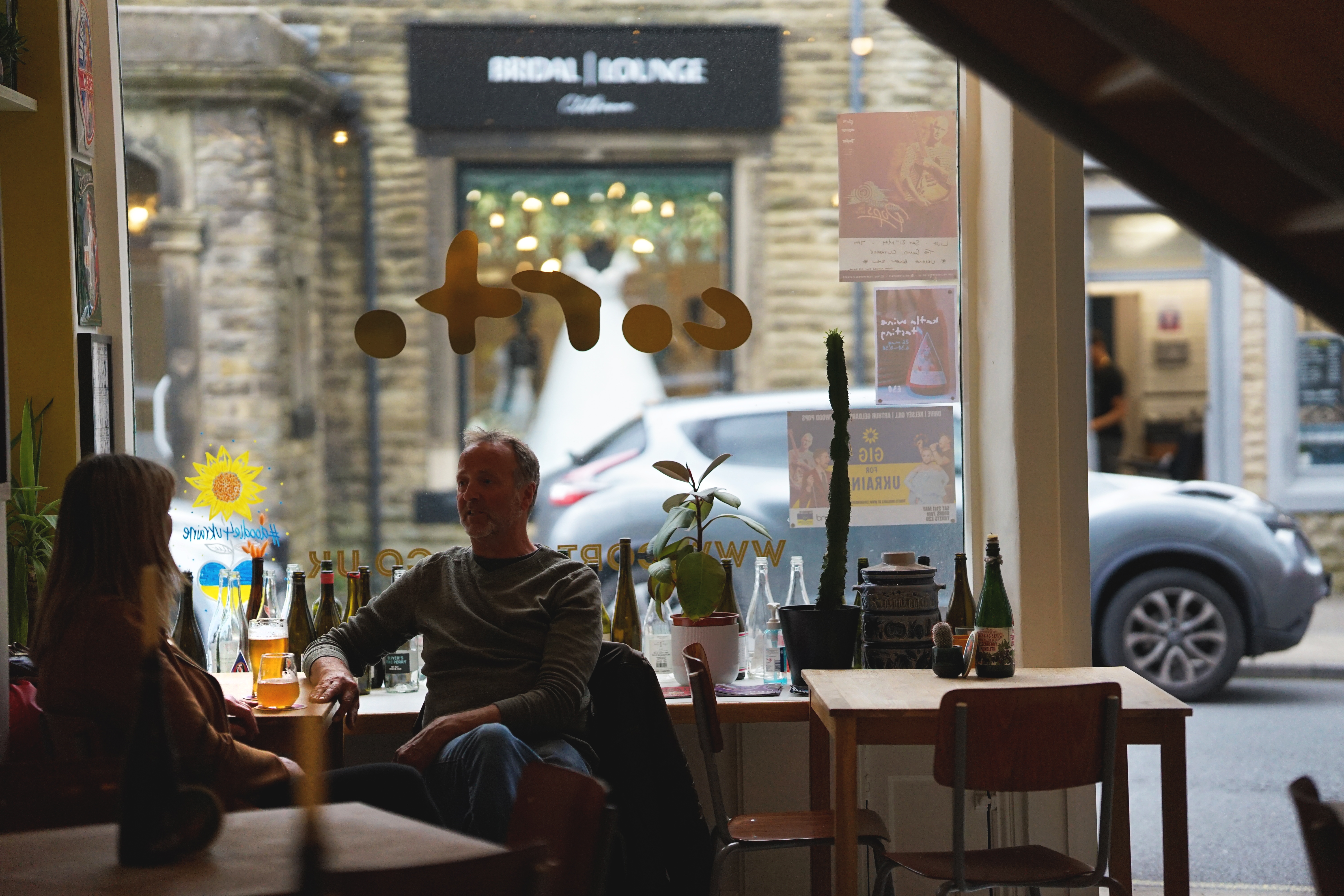
In the December of 2021, I sat on table six in my empty, closed bar, chairs still on tables, lights off, and had a panic attack about the state of everything. The bar was not doing well, and Omicron had been announced as a true danger to the public that morning. We had been counting on the upcoming Christmas trade to change our fortunes, having had a tough year of slowing sales and increasing costs. Things had not yet recovered from the pandemic, and we had hoped to start building our business by now, not closing it.

We got through that Christmas through endless pivoting, and we got through another one too. Now, after almost three years of Corto, the bar will close for good this Sunday the 17th September.

Katie Mather’s The Gulp is a reader-supported publication. To receive new posts and support my work, consider becoming a free or paid subscriber.

How we got to this point has not been a sudden occurrence, however it may seem. Ever since we opened our doors we have been tweaking and reducing our original business plan to suit our local customer base, and changing our plans to fit with relentless external tragedies—pandemics, war, economic collapse. We stopped selling rare and fascinating natural wines in favour of more affordable, simpler ones. We changed our beer list to fit the demand of “pale ale? lager? something fruity?”

I don’t feel bitter about these changes, and I certainly don’t regret moving to suit our customers in order to stay open. But I want to be clear about the reality of opening a bar like Corto in a small, rural town—even one as permanently lauded in the national press as being the “ideal beer staycation destination”. Last week we opened and drank three bottles of Riesling worth £100 because after three attempts to drum up interest in a tasting event (which we have been repeatedly told by well-meaning folks that we should do more of) only two people came along. The world of premium and craft drinks is not what it was, or what we believe it to be. I sell three times as much basic organic Tempranillo as I do orange wine or sour beers.

None of this is surprising to me, but I had hoped to be able to bring some sort of niche to a willing audience. In many ways, it worked. In one obvious way—the fact that we are closing down—it has not. Please do not see this as a complaint. I just want other entrepreneurs with plans to open similar businesses to understand that it is not a lucrative endeavour. At all. I must see Corto as a passion project in order to feel anything other than sadness, at this current moment. We tried, we did our best, it ran its course. On to the next thing.


This morning I watched a vlog by motorcycle racer Lee Johnstone, who suffered a serious accident while racing earlier this year, and who is recovering remarkably well. It was so good to see. He mentioned, briefly, the sort of comments he receives in passing from fans he meets out and about. I felt like while he made it sound flippant, this was one of the main reasons for making his video.

“So that’s you done with racing now then?” Apparently this seems like an appropriate thing to say to someone who had a blood transfusion at the side of the road earlier this year, whose entire life has been dedicated to racing, who spends every day recovering and rehabilitating his body in the hope of getting back onto a bike.

It struck me. People are capable of such unwitting levels of blasé unkindness. I recognised it, because we have had similar at the bar—rumours of what our plans are, and where we are going to work next. Pointed questions about our financial situation. Constant grillings about what we want, what we’re doing, and where we’re going. As Lee said in his video, folk don’t mean it to sound this way. They’re just making conversation, and they don’t really know you, so they don’t understand what’s hurtful and what is a genuinely appropriate level of inquisitiveness.

I’d ask, and I’m going to do my best to do this too as I’m sure I’ve been guilty of similar crimes, that people checkpoint their curiosity before they open their mouths. In a way, Corto has become a public interest, and it’s understandable that people feel a desire, or even a right to know what will happen to it next. But it was ours, and it always was. Our life, our bricks and mortar dream, and we are finding it hard to discuss the minutiae of it over and over again. Just as Lee must find it difficult to reply to people who, genuinely, want to know about the future of his career, I don’t know what to say anymore. I don’t have a plan. I know what I want, but it’s deeply personal, and I can’t keep sharing my heart with the world so openly. I am not ready. And I hope that can be respected.

Other Stuff

Katie Mather’s The Gulp is a reader-supported publication. To receive new posts and support my work, consider becoming a free or paid subscriber.

Power in Spice Mixes

The healing power of endless curries.

I have eaten curry in some form for almost all of my meals this past week.

When the grief first hit I didn’t want to cook, and at home we ate a lot of sandwiches, or chicken wings, if we weren’t at home. Then Tom reminded me that cooking makes me feel better, so I started to chop onions again.

Katie Mather’s The Gulp is a reader-supported publication. To receive new posts and support my work, consider becoming a free or paid subscriber.

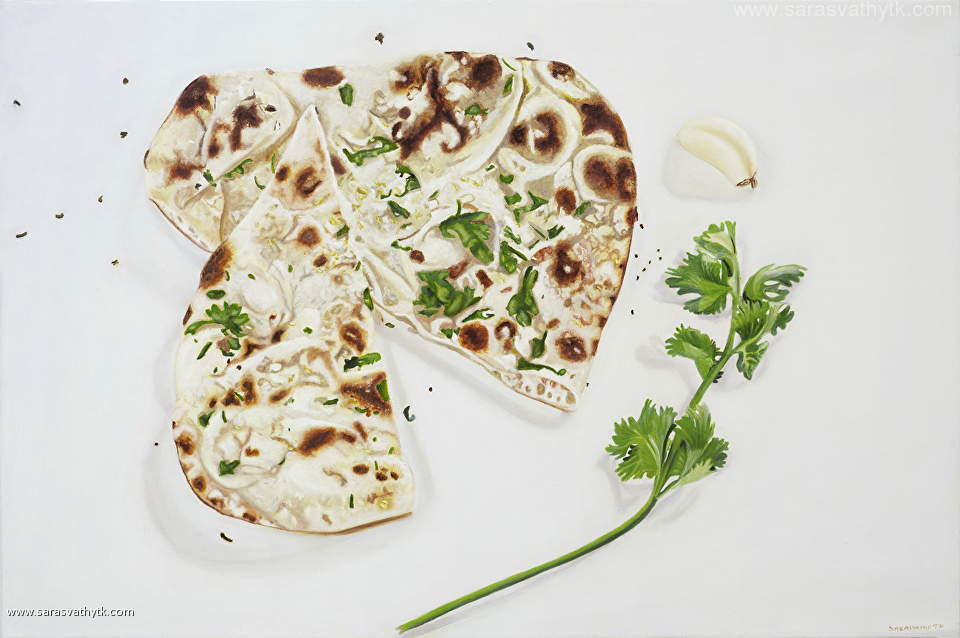
My friend’s mum makes incredible curries. We ate them from the pan at 1am when I was over last, and I tried to decipher the spices she had used. I got home the next day and made a chicken and chickpea curry that fed us for three days. The sense of achievement was enough to sail me through until the weekend. Then I made chicken stock, and a biriyani, and allowed myself to eat it for every meal until I didn’t crave the warmth of it anymore. The soothing mingle of cinnamon, cumin, turmeric, clove, fenugreek, mustard seeds. The warmth of the chilli flakes. The satisfaction of using a whole chicken, every last bit. It felt a lot like love.

Chicken and Chickpea Curry

Feeds 2 for a few meals.

2 chicken breasts
2 chicken thighs
1 red onion
4 tomatoes
1 tin chickpeas
Tomato paste
3 cloves garlic
Chunk of ginger
Corn oil
Salt

Spices: Cumin, Garam Masala, Turmeric, Fenugreek, Fennel Seeds, Yellow Mustard Seeds, Black Cumin Seeds, Ground Clove, Cinnamon, Cardamom Pods, Ground Cayenne, Chilli Flakes

Rice: Basmati rice, Salt, Ground Clove, Black Cumin Seeds, Star Anise

  • Fry the onion until it loses the raw smell in enough corn oil. One tablespoon is not enough.

  • Fry off the garlic and ginger, and toast the spices

  • Add the spices and the chicken

  • Add the chopped tomatoes and cook down until they start to soften. Use their juice to loosen any good stuck bits on the bottom of the pan.

  • Add tomato paste and enough salt. One teaspoon is not enough.

  • Add a little water, remembering this curry will cook down and you want it thick.

  • Add the chickpeas.

  • Cover, and cook on low for at least 3 hours.

  • Wash your rice.

  • Cook your rice however you like to cook your rice, adding all the ingredients at the start with a gentle stir. I use a rice cooker.

  • Serve with chutneys and raita

Other Stuff

  • 1900 year old Roman swords found in a cave by the Red Sea in Israel.

  • Making a Manx Babban ny Mheillea to celebrate the end of harvest

  • Nigerian photographer Obinna Obioma’s Anyi N’aga (We are going) project celebrates the simple plastic bag known as the Ghana Must-Go bag and recognises its humble part in thousands of lives through carrying personal belongings and memories, becoming a symbol of migration. The hair wrap!!!

  • Brussels Beer Project’s Dansaert Lambic project was the first to be launched in Brussels in years—now they are making Gueuze. Read all about it at Brussels Beer City.

My Stuff

  • Still writing for Glug, you can only read those pieces if you subscribe to their wine box.

  • I will be hosting an open discussion on sustainability in beer at Indy Man Beer Con with Pellicle in October. More info here.

  • My bar Corto is closing down on Sunday 17th September—just two weeks time.

  • I am actively looking for commissions, freelance copywriting work and other projects that might suit my style of writing. If you’d like to work with me, please reply to this email with some ideas.

Katie Mather’s The Gulp is a reader-supported publication. To receive new posts and support my work, consider becoming a free or paid subscriber.

Wine To Give To Hecate

Pouring one out for a real one.

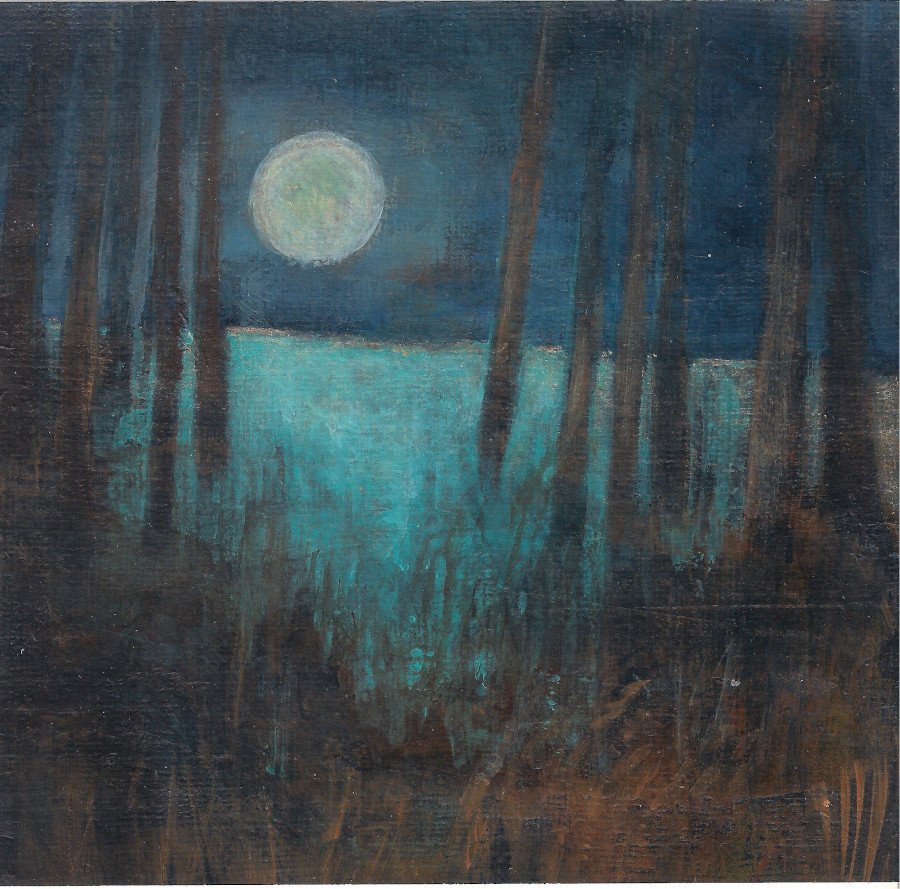
It is a supermoon, and a blue moon at that, in Pisces. Today the torrid emotions of the past week or so are coming to a head, and I feel as though I’m at the eye of the storm. I haven’t had it particularly easy over recent weeks. I’m going through what could euphemistically be described as a “turbulent period of change” and what’s more—things aren’t slowing down. There’s more to come.

Two weeks ago I had a tattoo of a longbowman nocking a flaming torch inked on my right forearm as a symbol of strength, to remind me to step back from the melee and try to gain a wider picture of the battle at hand. Not easy to do when you feel like you’ve been flailing with a broken sword for months, the mud loosening your steps, arms and back tiring from the onslaught. I need a rest.

The universe has a sense of humour, I can tell, because all of the freedom and rest I have been asking for has arrived at once, in the form of both of my main jobs coming to an end. To seemingly underline the essential nature of taking opportunities when you can, a friend and Kibosh teammate died while racing at the Manx GP last week. I am being given absolutely no choice—I have to keep going.

So then, today’s full moon. It’s an important one to me for two reasons: the first that it means this period of unbearable intensity is almost over, and the second is that I’m getting to spend it with friends who also need to recalibrate, focus and strive.

Despite the tragedies of the past months, spending time with friends is always a celebration, and I intend to treat it as such. My main contribution to the evening’s events will be the wine we drink during feasting and the extremely technical/spiritual practice of “burning shit”. I need to choose carefully. It should be wine that’s good enough to change our fortunes and lift us up. Wine good enough to offer to Hecate, wine good enough to stir our souls and clear our minds. It also needs to pair well with a vegan barbecue.

The smoke, the flames, the moon, the tears—I’m thinking quickening darkness, like the peaty waters of the Yorkshire Dales. Loose and fresh, bracken and blackberries, woody and mossy and spiced. A Syrah, Côte Rôtie almost definitely, and if I can find one with mushroom intensity and umami bacon fat richness, so much the better for our Pagan godly tributes.

Other Stuff

My Stuff

  • I’ve started writing the weekly newsletter for Pellicle—sign up here

Katie Mather’s The Gulp is a reader-supported publication. To receive new posts and support my work, consider becoming a free or paid subscriber.

Never Known Fog Like It

A love letter to a beer that’s been through it all with me.

In the beginning of my career as a beer writer, I visited a local brewery called Rivington Brew Co.. At the time it was a smallish place with a cult-like following of fans who turned up for regular Tap Beneath The Trees events—in lieu of a taproom the brewery used the woodland at the foot of their farm as an outdoor micro festival during the summer months. Rain never stopped them.

On that visit I drank a mug of tea in the company of their first fermenters, situated in a small outhouse a short drive away from the farm, and learned about the small team’s commitment to lab-based QC testing. I was impressed. I told Ben Stubbs and Mick Richardson, the owners of Rivington Brew Co. who had taken time out of their day to show me around, that Never Known Fog Like It was one of my favourite beers of all time. I said, with what now seems like tragic dramatic irony, that if I was ever to open a bar of my own, Fog—as it’s called—would be my permanent Pale.

Katie Mather’s The Gulp is a reader-supported publication. To receive new posts and support my work, consider becoming a free or paid subscriber.

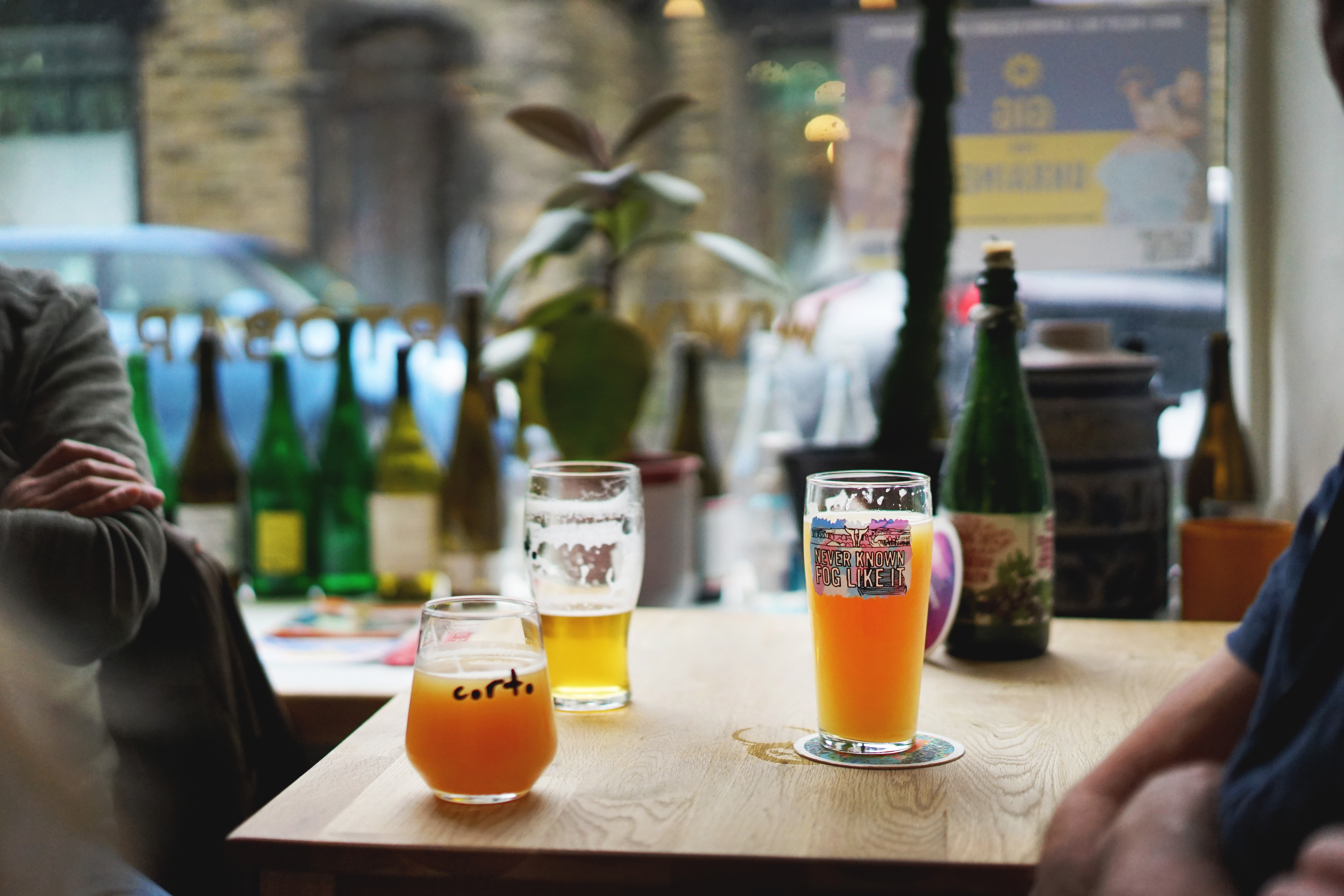
Since that first visit the brewery has grown, and I’ve been lucky enough to call the Rivington crew my friends, and their flagship beer, my bar’s permanent Pale Ale—a promise kept. Fog quickly became Corto’s flagship beer too, a beer that turned visitors into regulars, that brings people out of their homes in the darkest, rainiest evenings. Those pints of hazy, sunflower-yellow beer glowing in the light cast from our big front window. An image that will stay with me long after the bar closes down.

Why do I love it? Why does anyone love one hazy Pale over another? I believe Never Known Fog Like It is the culmination of years of NEIPA experimentation. Since I began writing about beer in 2018, the desire people have for hazy juicebombs has never waned, and yet, to me, there has largely been no development in the subgenre. I try newcomers with interest, and yet nothing tops Fog for me in the specific category I’ve created for it—a comfortably swiggable beer at a warming 5.2% ABV, not sessionable to the likes of me, more a treat after a long day. A beer to look forward to. A standard, a trusty sidekick, a partner in crime.

Fog succeeds because of Rivington—because of their attention to detail, their fantastic brewing team, and their passion for getting it right, for not being afraid to tweak and improve. I will miss serving it in Corto and seeing the enjoyment it brings. But I won’t miss the beer itself. I’ll still be drinking it, from the other side of the bar, in their new taproom at Home Farm. In Preston, at Plug & Taps or Chain House Brewing Co.’s taproom. Wherever I can find it, I will drink it, and I will remember good times, and plan new, better ones.

Other Stuff

My Stuff

  • Thank you, first of all, so much for your generosity after the last newsletter I sent out. Your tips enabled me to cover a very stressful end of month, and I’m so grateful. Your kindness was needed and appreciated. You are the best.

  • Salads! One of the things in life that brings me most joy. Thank you Pellicle for publishing my thoughts and dreams on the beautiful world of salad prep.

  • The profile on Rivington Brew Co. I referenced in this week’s newsletter.

  • I am now in charge of writing Pellicle’s weekly mailout—how wonderful! Sign up here for even more of my words each week.

  • Tom and I are planning to set off in our van once the world ends (Corto closes). I’ve set up a TikTok to document wine and beer we experience on our travels.

Katie Mather’s The Gulp is a reader-supported publication. To receive new posts and support my work, consider becoming a free or paid subscriber.

My Favourite Bar Is A Petrol Station Forecourt

On the top of Bray Hill on the Glencrutchery Road. During the rest of the year, it’s just somewhere to fill up the car and grab a snack. During the TT Races and the Manx GP, it’s the place to be.

From behind a safety barrier next to a petrol pump, the start line is just out of sight at the top of Bray Hill. You hear the rumble of the helicopter before the bike comes into view, and the commentators over the tannoy system let you know who you’re about to see. A split second later, the colours of your rider scream past over the brow and out of sight, down towards Ago’s Leap and Quarterbridge. You see each racer for a maximum of one second. Then, once the last is through, you wait 16 minutes or so for the first to come back around, having completed their first lap of the 37 and ¾ mile course around the island. Quickly, work it out. This year the fastest ever lap was checked in by Senior TT winner Peter Hickman this year—he did it at an average speed of 135.452mph.

The buzz of the bikes coming through and past the petrol station is only part of why I love drinking here—because drinking here is what is done. All along the spectator side of the barriers and buffers are fans with cans, dressed in racers’ merch and sponsor hats, listening to the local radio’s coverage of the race. I love the strangeness of the situation, of spending time somewhere that was never intended to be used as a space for people to linger, a place I shouldn’t really be. I like the atmosphere that strangeness creates, a kind of collective in-this-together spirit, where everyone is sound, everyone chats, everyone realises the absurdity of the situation and relishes it. 

Katie Mather’s The Gulp is a reader-supported publication. To receive new posts and support my work, consider becoming a free or paid subscriber.

In-between the snapshots of racers throwing themselves at the course, I spoke to Belgian bikers about beer (what else?), a keen local photographer about his favourite shots, and showed a retired couple who’d travelled together on their bike how to find and use the live timing app. We were all friends, exactly the same types of friends you make watching football or standing together at a gig—you are all bound by the same intense, nonsensical passion, and you would die for each other. Just for the next hour or so.

The racers bounce down their third lap. A man shouts “that’s gotta be Davey Todd” as Davey Todd passes—a statement that becomes a soundbite that defines the whole trip. I drain my can in the blazing sunshine and head inside for another four pack to share out. This is what it’s all about. 

Other Stuff

My Stuff

  • I’ve been writing a lot more recently, so I’ll be able to share pieces as and when they are published.

  • Look for my recent piece on beer and cyclocross in issue 91 of Ferment Magazine

Katie Mather’s The Gulp is a reader-supported publication. To receive new posts and support my work, consider becoming a free or paid subscriber.

the enormous, infinite scream of nature

Edvard Munch, and how art and nature helps me cope with BPD

I’ve spent a long while deciding whether to talk about my mental health diagnoses in any depth. After all, it’s my business. I can choose to keep it to myself. And in a way, I’d still like to, but after sending this newsletter out, I know I’ve forfeited that option. The thing is, I don’t want to talk about my mental health, but I don’t seem to want to talk about anything else, either.

I was tentatively diagnosed by a mental health professional with Borderline Personality Disorder last year. I take slight offense at the idea of there being anything known as a “personality disorder” in this life, but perhaps that’s a topic for another time. I’ve wondered for a while whether having a diagnosis changes anything at all, and the answer for me at least is, no, not at all. I still feel the same. I am still the same person. However, what it does do for me is give me a reason—and sometimes that’s all I need. Not an explanation, but a possible cause for my pain, and an understanding that some of the intense, unbearable things I’m feeling are symptoms, not flaws or truths.

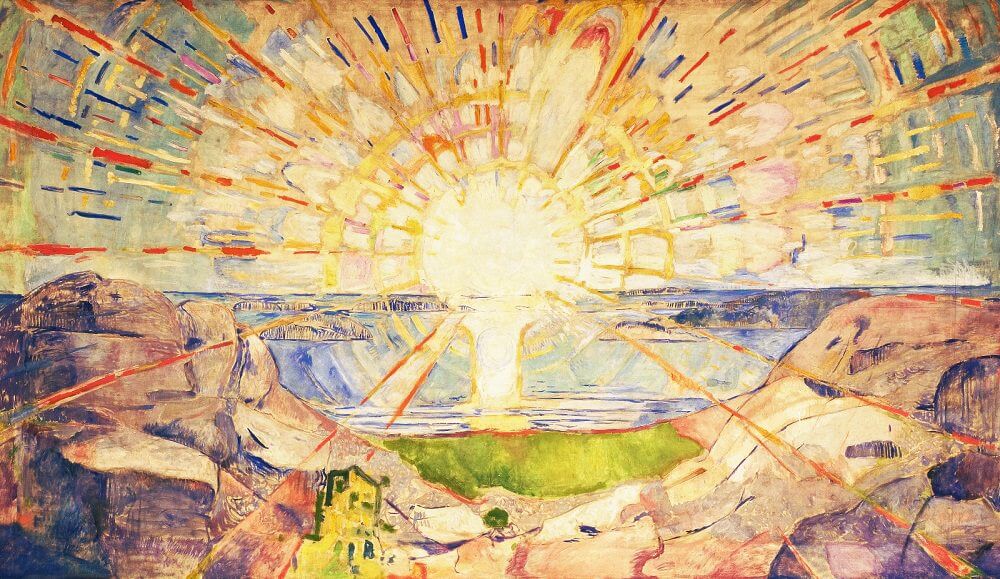
Edvard Munch was inspired to paint what he felt in his soul rather than simply what he saw by a fellow artist—this led him to explore the complicated world inside himself. I’m not that interested in The Scream, however. I’ve been looking at Munch’s painting The Sun. In this I see almost uncontainable joy, a feeling so strong it almost tips over into fear, all brought on by seeing a sunset. They say he likely had the disorder himself. Makes sense to me.

That’s the thing about BPD. The strong emotions swing both ways. You live tiptoeing around the void, but you’re also occasionally blessed with blinding, life-changing sunlight.

(Thanks in advance if you feel like reaching out to me but honestly, I just wanted to write this and I don’t have the energy to have conversations about BPD or my health right now. I’m doing well, and I am going on a short holiday next week. I appreciate your concern, but honestly: All is good.)

The Sun – Edvard Munch

Katie Mather’s The Gulp is a reader-supported publication. To receive new posts and support my work, consider becoming a free or paid subscriber.

The Guilt of Taking Up Space

The unspoken unease of lingering in public houses during a time of financial crisis.

It’s become second nature to me to think about my local pub as a place to go when my own house has become stale of inspiration. However, I am going less. Like everyone else in the country, I have higher bills to pay, and sadly this means a lower budget for random pints on a rainy Tuesday. I read today that Great Britain has the highest gas bills in the entire world. What a proud moment for my nation.

A pint of cask costs around £4.70 where I live, give or take any drink-it-dry offers or cheaper prices in clubs I’m not a regular in. If I stay for the afternoon with my notebook with just one pint, because my budget for that day was a fiver on random spends, I’ve started to feel something I never used to experience: guilt. It’s self-imposed—nobody at the pub is willing me to buy more. But I know, as a patron and a bar owner, that it costs so much more to keep a pub open right now. That I am potentially (although, sadly, not usually, given how quiet pubs are these days) taking up space a more voracious spender could be using. And that while this didn’t used to matter—all were welcome—it’s become so much more of a pertinent issue.

In Ruby Tandoh’s latest piece for Vittles Restaurants as Living Rooms, she discusses the use of chain restaurants as places to exist, and her own experience of a local MacDonald’s  reminded me of this piece from 2016 which I come back to a lot: McDonald’s: you can sneer, but it’s the glue that holds communities together, by Chris Arnade, a writer who covers addiction and poverty in America. When we have no public spaces to utilise, when our homes aren’t the ideal space for us in that moment, we turn to what we have. And what we have is MacDonald’s. Pret A Manger, Wetherspoons. 

Yes, Wetherspoons. I’m a former employee and I fucking hate that guy. But I can’t deny that Wetherspoons offer something most pubs do not—anonymity. A strange USP, when pubs in their best incarnations are places of warm, personal hospitality.  But it’s this detachment from life, this formation of a pub-as-liminal-space that makes a Wetherspoons pub so welcoming to many. Ruby Tandoh mentions a friend in her Vittles essay, who talks about not having to “perform gratitude”. About using up space, sitting for a while with amenities and warmth and quiet, without guilt. I can understand this. There are no spaces in our urban areas where we can sit in comfort. Hostile architecture has seen to that. If we want to do anything in a town centre other than move forward and consume, we need to pay for the privilege. Wetherspoons are loved—almost definitely so—by many for their low prices and unpretentiousness (however the one on Blackpool seafront has gleaming Chesterfields, a fake library and poetry on the walls). But I don’t think it’s just the low prices people like. It’s the fact they don’t feel they will be judged for paying them.

What judgement is this? The same shame I feel when I don’t stay for another pint? It’s internalised, my friends. Your friendly local publican is only asking you how you are because they want to know. They’re taking your empty glass because they’re about to put the glasswash on, not to passive-aggressively point out that you’ve finished. If there is any one place you are not being judged, it is your local pub. And if you are,

it’s only by Ken, and he drinks Tetleys and got abducted by aliens on Scammonden Dam.

Katie Mather’s The Gulp is a reader-supported publication. To receive new posts and support my work, consider becoming a free or paid subscriber.

Other Stuff

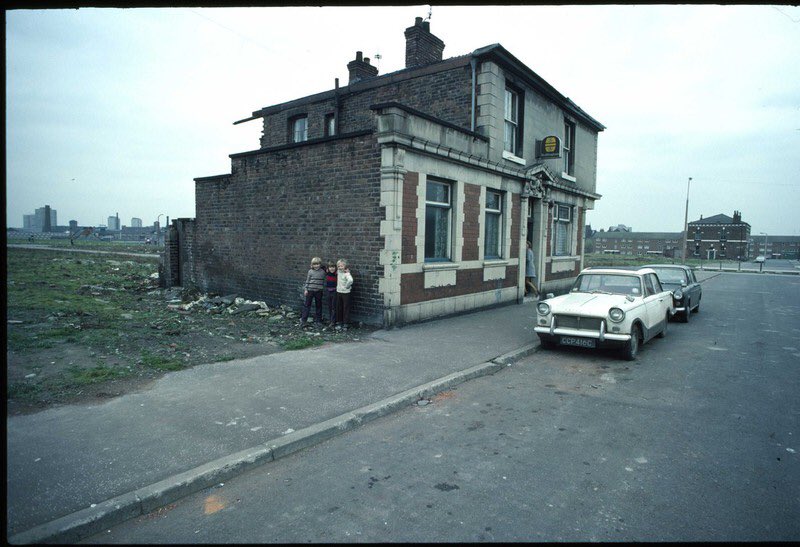
Lonely Pubs, from a series by John Bulmer

I like this one because you can see someone going inside. It’s still a pub.

"All together an idyll"

A week spent with a Jan Mankes painting

One of the things I use Instagram for is looking at art. It always makes me feel good when I find new seams of art running through the deep, black pits of social media—as though there are people still out there trying to use it to share things they really care about. You can’t really monetise the work of dead artists, especially the famous ones. It’s not content. All you can do it post it and say, “Look at this. I like it. It says something to me,” and wait for someone with the copyright to request that it gets taken down. There’s nothing in it for you other than the joy of sharing. I respect that.

Last week I stumbled across a painting that I ended up coming back to over and over again. 

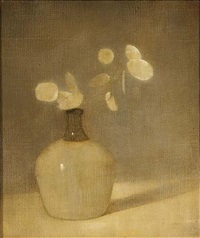
Honesty in a Japanese Vase by Jan Mankes

The way the light is captured by the artist in the top right pennies of honesty now lives in the front of my brain forever; so real, softly glowing with reflected light. Moonlike. The stone-earth colours of the painting feels clean, but not warm, like an old but well-scrubbed farmhouse sitting room. It must have been painted in his home—that’s what I think, anyway. I can feel the familiarity, so second-nature that no details are included. No marks on the wall, no pattern on the table. His mind fills in the gaps, just as mine do.

Jan Mankes was a young painter from Meppel in the Netherlands. As a Dutch painter in the late 19th century, he would normally have been expected to move to a more sociable city after completing his studies, but he seemed to prefer the quiet of the countryside. And anyway, he communicated just fine with his contemporaries by post, and had plenty of artistic, creative and philosophical stimulation at home. He and his wife were progressives, and she, Anne Zernike, a theologian interested in Taoism, Christian Socialism, pacifism and vegetarianism, became the first female minister (with a doctorate too, no less) in Holland. 

He died in 1920 aged 30 from TB. I learned that his paintings stir a debate among fans of Dutch Realism, of which school he considered to belong, due to their often imaginary aspects. Mankes preferred to sketch and re-sketch his subjects multiple times to commit them to memory, and then complete his works separately. This, to many, is not true realism. 

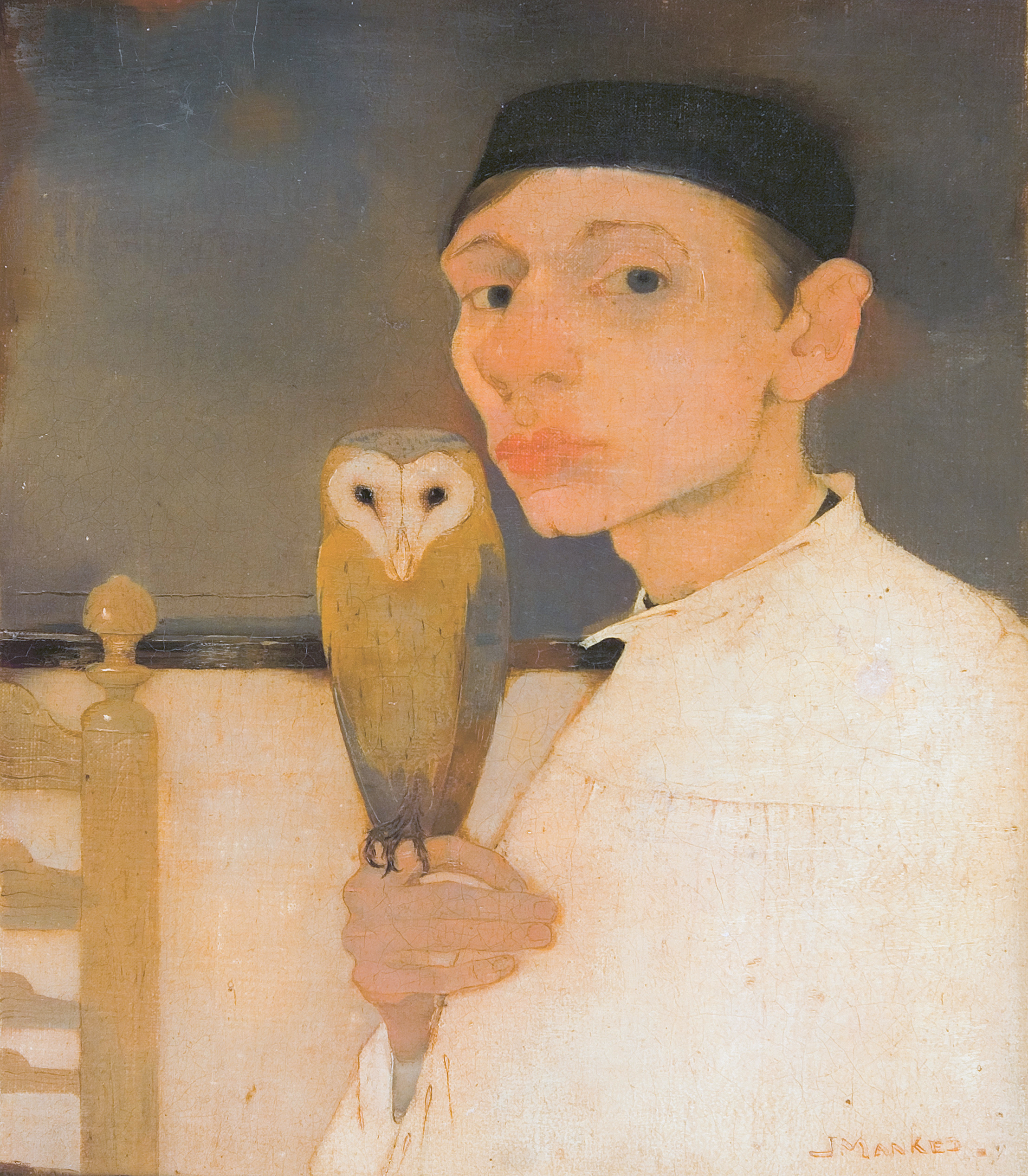
Looking at Honesty in a Japanese Vase, or his self portraits which I find eerie and fascinating, I would argue that by painting this way shows exactly how he saw the world—painting with feeling as well as with accuracy and skill. By painting from memory, and with his glazing technique to create a dreamlike luminescence-effect, he was painting his reality. And this week, I have enjoyed living there.

“A truly miraculous animal, in shape, hues and character; all together an idyll.” — Jan Mankes on his owl, a gift from his patron Pauwels, a merchant.

Other Stuff

My Stuff

Katie Mather’s The Gulp is a reader-supported publication. To receive new posts and support my work, consider becoming a free or paid subscriber.

Closing Down An Industry

What will we do when there’s nowhere left?

It’s the middle of January 2023 and what I thought might happen is happening—hospitality businesses are counting up their Christmas and New Year takings, falling short of their targets, and closing up shop. This week I’ve seen a few surprising closures locally and more further afield—perhaps most shocking to me, Yakumama in Todmorden, a place that seemed to be thriving in the atmosphere of Tod’s excellent local bar and food culture. This morning I saw that iconic shop Oklahoma—once a café that showed me Manchester maybe wasn’t quite as bleak as I thought it was when I first moved there—is closing too, to focus on its online offering. A Burnley café that opened during lockdown and was loved by its regulars is closing. That one came up on my newsfeed. Breweries are closing too, and restaurants. This week is The Moorcock’s final week of trading. My favourite restaurant, and one of the most creative, inspirational, down-to-earth and welcoming places I’ve ever eaten, will be closing the door of its pub on the hill and its people will move on to pastures new. I am truly gutted.

It’s not just the indies who can’t cope. Chains of casual dining restaurants, funded mostly by investors with zero interest in food and ballooning in visibility (but curiously, never with that much popularity) around the 2010s, are flailing in the riptide. Byron Burger, perhaps best known for detaining workers they’d already trained and hired and staging an immigration raid, is closing locations all over the country. Same for Zizzis, ASK Italian, Cafe Rouge and Las Iguanas. These are not businesses set up by well-meaning and naïve folk with passion projects. They are huge, multi-million-pound companies, collapsing all around us.

Katie Mather’s The Gulp is a reader-supported publication. To receive new posts and support my work, consider becoming a free or paid subscriber.

For the longest time, we’ve looked at the struggling hospitality sector as a frivolous extra—part of British industry in only as much as those with real jobs use the businesses within it to wind down after a hard day’s graft. But I’ve been wondering, as the owner of a struggling hospitality business, what’s going to happen to the hundreds of thousands of people employed within the industry? How is the economy going to cope when workers cannot access the country’s largest unofficial financial safety net because it no longer exists? And while we watch our favourite places close around us, how will we encourage the good people who make our bars, pubs and restaurants what they are not to retrain out of the hospo world for good?

I am way past worrying about whether my business will survive the year now. I’m worried about the industry at large.

Other Stuff

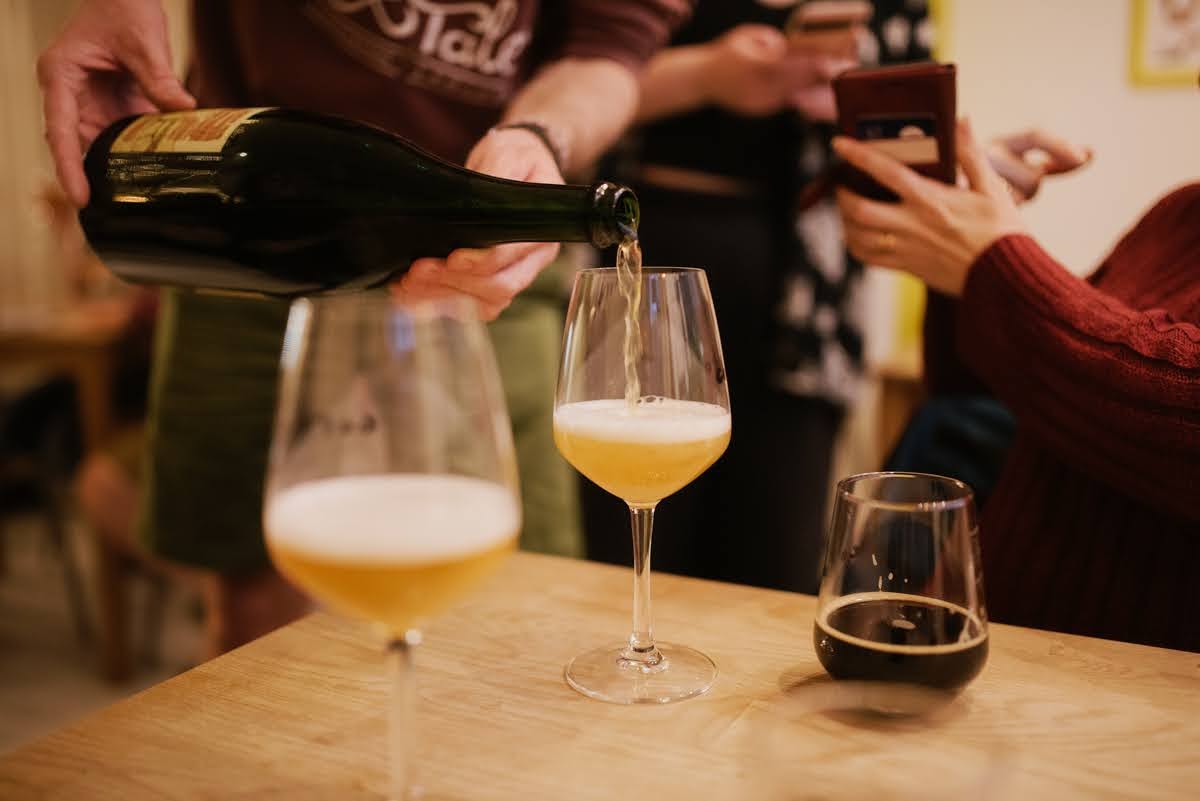
People sharing a Burning Sky at Corto — Photo by James Pinder

Katie Mather’s The Gulp is a reader-supported publication. To receive new posts and support my work, consider becoming a free or paid subscriber.

Winter Solstice, Bring My Sun Back

The freedom of an open window.

My glittering Christmas feelings get weaker every year, but rather than being sad, I’ve started to notice something else taking its place. I still hink about how much I miss strong sunshine, but I’ve also realised how many fleeting, delicate things there are to enjoy about Winter. The short days are barley enough to give me the UV rays I crave, but recently they’ve been crisp and clear, and I’ve loved being outside in them. The cold reminds me that I would rather be basking in the sun, but the feathery high-atmosphere clouds that come with frosty mornings touch me with a milder sort of joy.

The Winter Solstice is here, and it’s—for me, at least—a time to think about everything that’s happened over the past year. It’s not a time for making plans or striving for a goal. It’s a time for reflection—an important tool when it comes to setting new aspirations later. For me, this year has been one of deep, difficult inner work and plenty of career movement. I’ve learned so much about myself, and I’m proud of how far I’ve come.

Katie Mather’s The Gulp is a reader-supported publication. To receive new posts and support my work, consider becoming a free or paid subscriber.

Some of the most valuable life lessons I’ve learned have come to me this year. I’ve learned that if you try something and it doesn’t work, it’s not because you’ve failed. I’ve learned that the way I feel is often a choice I’ve made. And I’ve learned that I can run. I am in direct control of my surroundings. I can do the things I want to do, however seemingly out of character. I am not as restrained as I have always thought.

I’ve been trying out lüften, the German obsession with airing out rooms regularly no matter the weather. It feels incredibly wrong, to open a window while the heating is on. Rebellious. Wasteful. But as well as a well-ventilated home in times of bronchitis, It’s brought something else to me—hearing street noise from my desk grounds me, and reminds me I’m not holed up in my office alone. I can get totally lost in my work, which sounds ideal, but it can sometimes feel totally alienating and surreal. A breeze against my cheek tells me I am not trapped here. I am not being told to do this. I am just sat at a computer. I can leave whenever I want.

That realisation, that feeling of freedom. I wish I could carry it everywhere.


ClaudeMonet — Winter Landscape with an Evening Sky

Katie Mather’s The Gulp is a reader-supported publication. To receive new posts and support my work, consider becoming a free or paid subscriber.